
Opinion
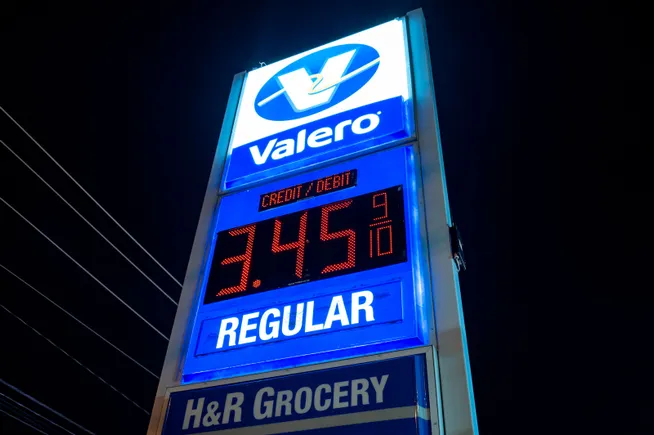
What a fuel price spike really does to the grocery basket
When gas prices climb, consumers quickly adjust their shopping behavior: reducing store visits, streamlining shopping lists, and shifting to private labels. Based on three years of transaction data from over a thousand stores, a 1% increase in gas prices leads to a 0.51% drop in grocery store foot traffic and a 0.59% drop in revenue. This article analyzes the mechanisms behind this phenomenon and offers recommendations for retailers to respond proactively.

Shoppers are finally telling grocers why they buy
Large language models are transforming how shoppers search and buy, with consumers now providing detailed reasons behind their purchases. This article explores three key strategies for grocers to adapt: mastering product metadata, building personalized bundles, and using shoppers' declared intent to improve merchandising.
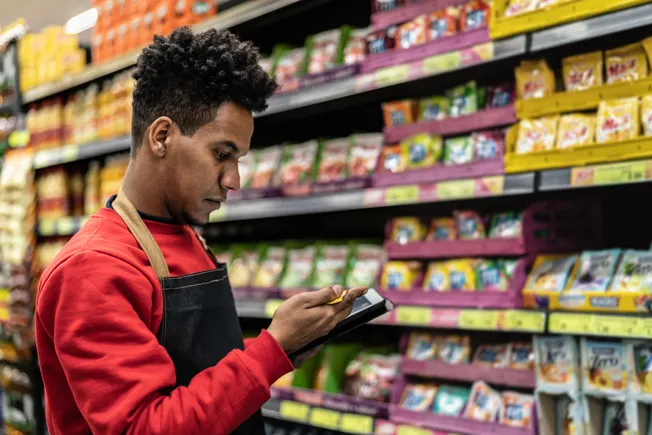
How the food industry is optimizing AI investments
The FMI '2026 Food Retail Industry Report' shows that food retailers are simultaneously enhancing operational efficiency and customer experience through large-scale AI investments. The technology budget exceeds $20 billion in 2025, with AI adoption rising from 47% to 68%, and over half of surveyed companies have already seen a return on investment.
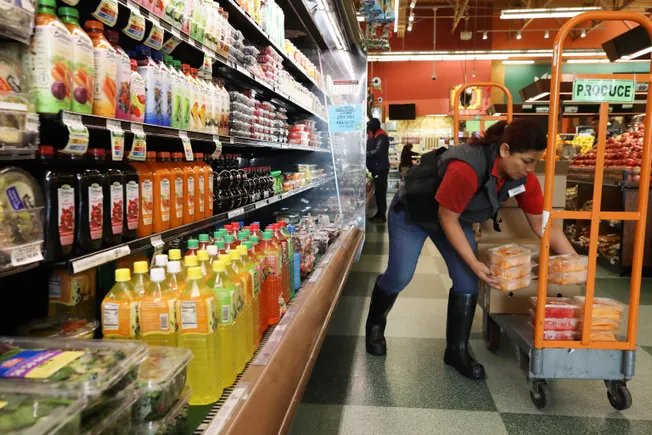
Retail no longer runs on a weekly clock. Grocers must pivot.
SymphonyAI's analysis of 1.1 billion transactions and 73 million households shows that grocery purchasing activity is increasingly spread across the entire week. Weekly reviews conflate growth and decline signals, obscuring true customer divergence. When Walmart adjusts prices on Tuesday afternoons and digital promotions can be implemented within minutes, a weekly operational rhythm can no longer guide real-time decisions. The next competitive advantage in retail will come from a feedback loop that shifts from 'reviewing the business' to 'operating in real time'.

Change is everywhere. It’s time for grocers to rethink how they handle it.
The grocery industry is undergoing unprecedented rapid and parallel transformations, from digital stores to the impact of GLP-1 drugs. Retailers must manage three time horizons—now, near, and far—while sustaining daily operational excellence to remain competitive.
Disruptive new fees will force strategic decisions on much more than packaging
Seven U.S. states have passed Extended Producer Responsibility (EPR) legislation, and new packaging fees will significantly erode profits for private labels and prepared foods. AlixPartners experts note that grocers cannot offset cost pressures by merely adjusting packaging; they must undertake a systematic restructuring from data compliance, pricing, and manufacturing to category mix.
How grocers can embrace the ‘promiscuous shopper’
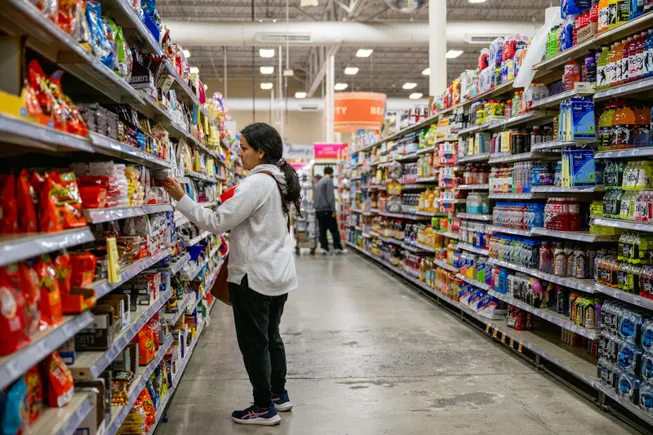
Industry observations show that American consumers visit at least two grocery stores on average per week, with only 1% maintaining loyalty to a single store. Victor Kimble, Chief Marketing Officer of creative agency Preston Spire, writes that grocery retailers need to shift from 'exclusive loyalty' to a 'category leadership' strategy, adapting to the new normal of 'multi-store shoppers' by focusing on advantageous categories, optimizing experiences, and positioning as destinations.
What retailers need to know about AI-powered pricing
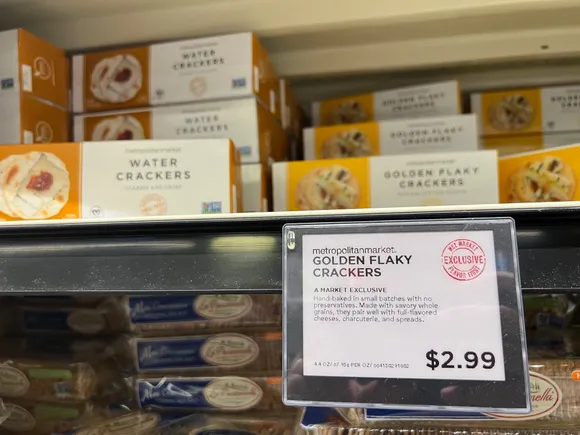
National supermarket chains are shifting to electronic shelf labels, making AI-driven dynamic pricing potentially the norm. This technology can respond in real time to tariffs and supply chain fluctuations, optimizing profit margins, but moving too quickly may damage loyal customer relationships and attract regulatory attention. The article compares successful cases in the airline industry with lessons from surge pricing in fast food, noting that understanding customer expectations and setting up human oversight and guardrails are key to balancing benefits and risks.

‘Value’ is evolving for consumers. Grocers and suppliers are stepping up.
In this article, FMI President Leslie G. Sarasin explores the evolution of consumers' concept of 'value' and how food retailers and suppliers are meeting new demands through product innovation, health services, and community engagement. The article cites data from FMI's '2025 Food Retailing Industry Report,' showing the industry's investment and achievements in nutritional health products and community support.
Where grocers and manufacturers are making investments in tech and labor
Food retail and manufacturing companies are leveraging data analytics, artificial intelligence, and e-commerce investments to enhance operational efficiency, while addressing workforce challenges through compensation, benefits, and training programs. FMI's latest report shows online sales share rising to 7.1% and employee turnover dropping from 65% to 48%, indicating that industry investments are yielding results.