
Deep Dive
来自我们记者的行业洞察
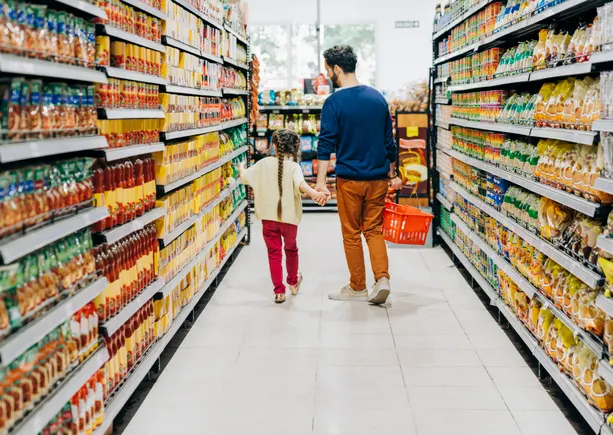
8 grocery industry trends to watch in 2026
In 2026, the grocery industry will face more severe economic challenges, with traditional grocers needing to cope with pressures such as intensified competition and tighter consumer spending. Industry experts predict that AI technology applications, the impact of GLP-1 drugs, growth in multicultural foods, and regional M&A will become important trends. Kroger enters a critical transformation year, and Amazon's physical store strategy also draws significant attention.
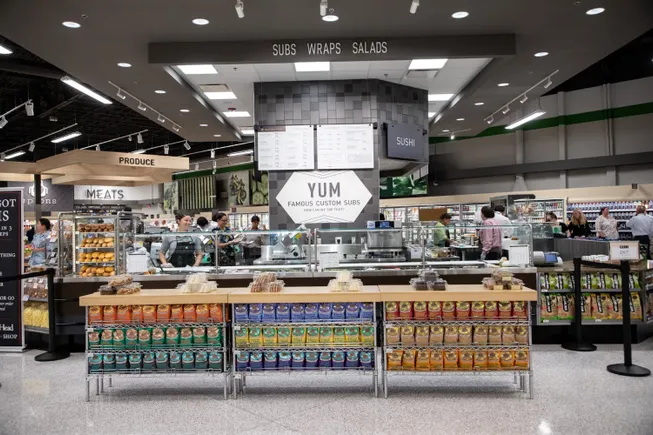
What’s Publix’s secret sauce?
While other supermarket companies are busy finding ways to stay relevant to customers and maintain healthy balance sheets, Publix is firing on all cylinders. The Southeastern U.S. food retailer is seeing rapid sales growth, widespread acclaim for its stores and products, and praise from industry analysts for its balanced mix of fresh food, private brands, and exceptional service. Through interviews with multiple experts and market data, this article analyzes the employee ownership, regional expansion strategy, and private brand strategy behind its success.
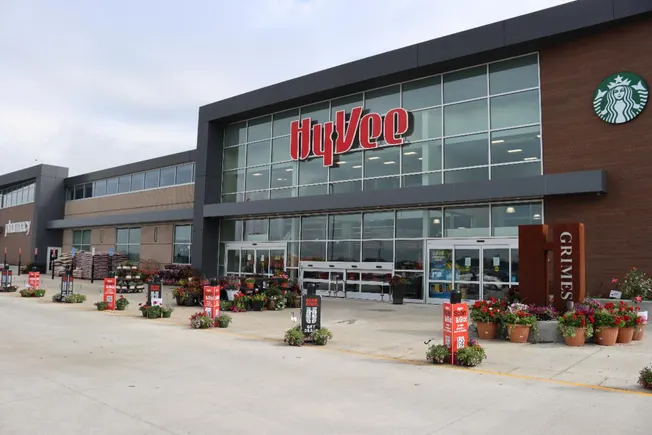
What happened to Hy-Vee’s 4-state expansion plan?
At the end of 2021, Hy-Vee, a Midwestern U.S. supermarket and convenience store operator, announced plans to enter Indiana, Kentucky, Alabama, and Tennessee, intending to build over 20 new stores. But as of 2025, except for entering Indiana through an acquisition, most self-built projects have not started, and some have been explicitly canceled. Inflation, high construction costs, and local approval delays are the main obstacles.
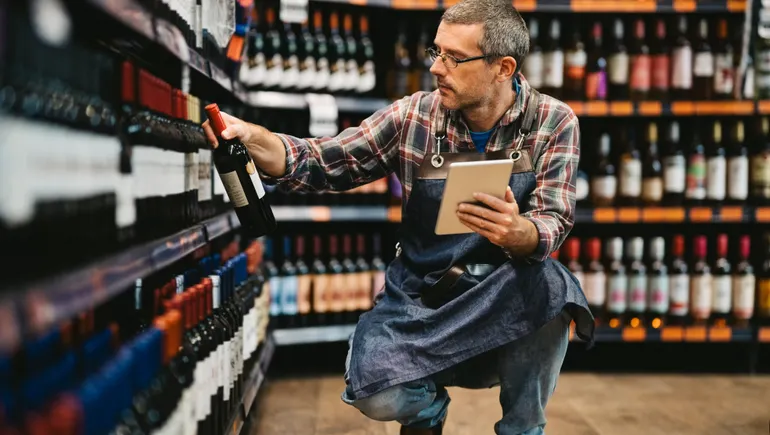
The biggest culprit in shrink is in the store — but it’s probably not a criminal
Although organized retail crime receives much attention, experts point out that operational inefficiencies such as understaffing and pricing or promotion errors are the main sources of inventory shrinkage. The latest research by Coresight Research shows that in-store inefficiencies cause an average loss of 5.5% of gross sales, costing U.S. retailers up to $162.7 billion each year. Loss prevention experts suggest that retailers should treat loss prevention as a profit driver and use technologies like AI to improve operational visibility while ensuring adequate store staffing.
How SNAP changes could impact grocers
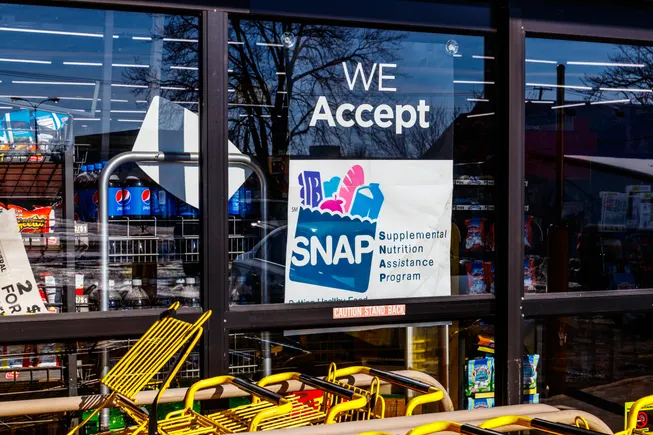
With the spending and tax bill signed by U.S. President Trump taking effect, the Supplemental Nutrition Assistance Program (SNAP) faces its largest adjustment in a decade: $186 billion in cuts, tightened eligibility requirements, exclusion of immigrant groups, and changes in administrative cost sharing, coupled with six states approved for pilot exemptions restricting items like candy and soda, grocers are under multiple pressures including declining sales, cross-state consumption spillover, and system upgrade costs. Industry organizations and retailers are calling for attention to impacts on low-income communities and exploring innovative ways to retain SNAP customers.
Walmart is quickly gaining ground in the grocery industry. What does that mean for other retailers?
Walmart's market share in groceries continues to climb, now on par with Giant Eagle in Pittsburgh and exceeding 20% nationally. Its automated distribution and profitable e-commerce model pressure traditional supermarkets, which must respond with differentiation strategies.
What went wrong at Target?
Target has experienced declining sales, consumer boycotts, and tariff pressures in recent months. Although CEO Brian Cornell emphasizes that the company still holds a differentiation advantage, analysts question the speed of its transformation. This article reviews its journey from the glory days of 2020 to its current predicament, analyzes whether its differentiation strategy remains effective, and explores the possibility of leadership changes.
Kroger’s road ahead runs through its past, analysts say
Kroger is undergoing leadership transition and strategic difficulties. Analysts point out that amid strong competition from Walmart, Costco, and Amazon, Kroger must learn from its past successes, refocus on its core grocery business, and properly handle litigation and financial pressures arising from the failed merger with Albertsons.
Albertsons needs to move fast as it looks to regroup, experts say
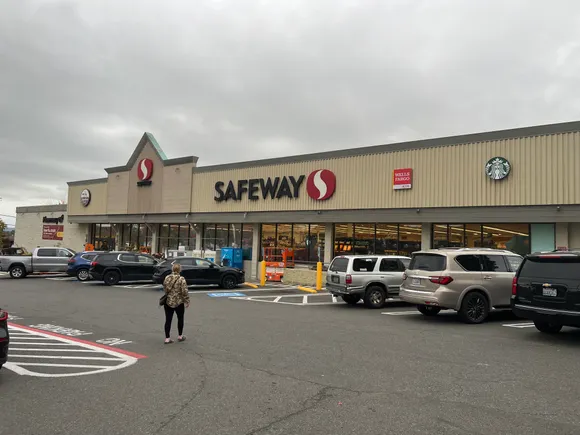
After the failure of its merger plan with Kroger, Albertsons is facing a series of questions about its viability. Experts say the company needs to increase investment in pricing, store renovations, and innovation to compete with strong rivals such as Walmart and Costco, and plans to appease investors through cost cuts, stock buybacks, and dividend increases.
Outlook for the Evolution of Discount Retailers in 2025
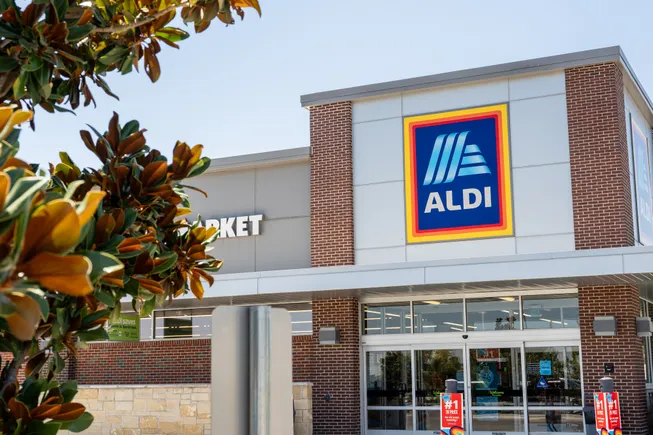
In 2025, discount retailers are expected to exert greater competitive pressure on traditional supermarkets. Companies like Aldi, Lidl, and Save A Lot have already planned expansions, and industry experts note that discounters will continue to strengthen strategies such as streamlined SKUs, fresh categories, private labels, and smaller store formats to consolidate market share and integrate into the daily shopping habits of American consumers.