
Outlook for the Evolution of Discount Retailers in 2025
In 2025, discount retailers are expected to exert greater competitive pressure on traditional supermarkets. Companies like Aldi, Lidl, and Save A Lot have already planned expansions, and industry experts note that discounters will continue to strengthen strategies such as streamlined SKUs, fresh categories, private labels, and smaller store formats to consolidate market share and integrate into the daily shopping habits of American consumers.
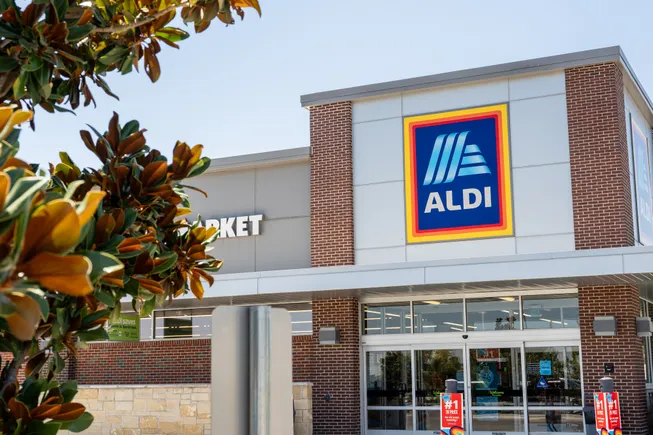
Traditional supermarkets are expected to face even more intense competition from discount grocery rivals in 2025, as these discounters continue to benefit from shifting consumer shopping habits.
The increased reliance on discount stores began during the peak of the COVID-19 pandemic in 2020 and was solidified during the record-high inflation that followed. In recent years, discount stores have evolved from places selling cheap goods into channels offering attractive value on everyday essentials.
Although Walmart remains the top competitor, discounters such as Aldi, Lidl, and Save A Lot have all prepared for expansion this year.
Aldi announced in March plans to add 800 new U.S. stores by the end of 2028, and industry experts expect the discounter's acquisition of Southeastern Grocers' two banners to drive much of this $9 billion plan. Meanwhile, Save A Lot is also rapidly expanding its business, with plans to triple its store count over the next few years. Throughout last year, the discounter launched its first loyalty program, unveiled a store concept aimed at Hispanic consumers, and strengthened its e-commerce reach through a partnership with Uber.
Lidl's recent marketing campaign rebrand aims to boost the chain's visibility and drive growth that has been difficult to sustain since it entered the U.S. in 2017.
Although the main focus for discounters last year was expanding store counts, industry experts expect these retailers to take more initiatives in 2025 as they strive to maintain their current standing among industry competition and consumers. Here are the trends they expect discount grocers to showcase in the new year.

Less is more
Discounters have historically priced below other grocery formats, but according to Bobby Gibbs, a partner at Oliver Wyman, they have earned value credibility by offering a "best-choice" assortment of grocery essentials that meet consumer needs.
"The correlation between the number of SKUs a retailer offers and the selection consumers perceive is very loose," Gibbs said, noting that most shoppers tend to choose grocers that offer the most relevant products rather than stores with the largest number of items.
Gibbs added that many consumers cook simple recipes and therefore only seek basic meal ingredients, such as ground beef and boneless, skinless chicken breasts. He noted that this makes products like premium beef "less relevant" to shoppers.
Gibbs also said discounters have proven their value in the fresh department, with their fresh offerings often rivaling those of traditional supermarkets.
Early last year, Dollar General announced it now offers fresh produce in more than 5,000 stores and, to further capitalize on this product growth, began deploying AI-based perishable ordering technology in that department.
Research released last year by Boston Consulting Group found that discounters have expanded their customer reach through their fresh assortment and convenience. Industry experts note that as discounters build a relevant and affordable assortment of grocery essentials, they should continue to leverage this trend.
This "less is more" strategy, where discounters excel, also aligns with consumers' continued price sensitivity—a trend not expected to weaken in 2025.
Differentiating with private labels
Although low prices are crucial to discounters' customers, discounters still struggle to differentiate—though private label expansion plays a key role in offering quality products at low prices, sources say.
For example, Grocery Outlet is a newcomer in the private label space but is off to a strong start, said Amanda Lai, food industry practice director at McMillanDoolittle.
The retailer's private offerings include a range of staples as well as new natural, organic, specialty, and health products. In the second half of last year, Grocery Outlet introduced private label items across its beverage, grocery, dairy, household, and bakery categories.

Grocery Outlet's private label growth coincided with its national expansion in 2024. The chain ended last year with 533 stores across 16 states, following the opening of 57 stores in new East Coast markets, a spokesperson for the grocer said via email.
The discounter's private label line is designed to drive its "treasure hunt" store experience, then-president and CEO R.J. Sheedy said when Grocery Outlet announced its new brand product line last year.
This treasure hunt experience, combined with the retailer's willingness to tailor products to regional preferences, positions the discounter favorably, Lai said, noting the chain is one competitors should watch closely.
Lidl is another discounter strengthening its private labels. When announcing its nationwide rebrand, Lidl Chief Customer Officer Frank Kerr said the grocer's business model is built on leveraging private label products combined with a curated selection of national brands, so finding the right product mix is a top priority at the "core of who we are."
Last summer, Lidl revamped its meat department, adding new meat and poultry offerings, including launching a packaged meat brand called Butcher's Specialty, and changing how these items are displayed.
Customer service and store format experiments
Discounters often lag behind traditional grocers in customer service. Discounters' focus on efficiency typically means fewer in-store employees, and those who are in the store are usually focused on quick restocking and checkout.
Gibbs believes there is indeed room for improvement. He said the more discounters can shift their employees' focus toward creating personalized experiences for customers, the easier it will be to build a strong foundation of customer loyalty.
Lai said discounters could also take a page from grocers this year by experimenting more with alternative store formats. Between Whole Foods Market's new Daily Shop and Meijer Grocery's continued growth, consumers still gravitate toward smaller store concepts.
Although discounters like Aldi and Lidl already operate stores smaller than traditional grocery stores, there is still potential to shrink further.

"Smaller store formats are worth exploring, purely because of their economics," Lai said. Smaller stores would allow discounters to save on labor costs, gain more real estate opportunities, manage inventory easily, and pilot technology in a cost-effective way—all of which help improve the shopping experience, she said.
Smaller stores also pave the way for discounters to experiment with more consumer-facing flashy technologies, such as frictionless checkout and electronic shelf labels. However, she noted that for discounters primarily focused on pricing and efficiency, this shift toward front-end technology may not be a priority, as consumers are still tightening their wallets.
"This year, with the failure of the Kroger-Albertsons merger and Americans' wallets continuing to tighten, some traditional leaders face significant uncertainty," Lai said. "This is truly a year for discounters to shine, differentiate, and solidify their place in American households' everyday shopping."