
How Fresh Food Retail Can Expand Seafood Customer Base: Three Strategy Analysis
Circana research shows that only 10% of U.S. consumers purchased 42% of seafood, indicating significant market growth potential. Health, convenience, exploration, and sustainability demands are driving demand, with sustainability-conscious consumers showing a preference for Alaskan-sourced products. Chris DuBois proposes three major strategies: creating educational in-store experiences, offering ready-to-eat products, and reaching younger generations to lower consumption barriers and cultivate new customer segments.
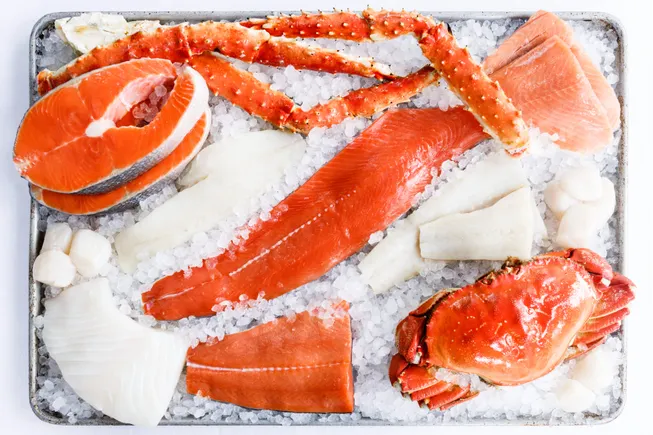
According to the latest Circana research, 83% of seafood consumers purchased the same amount or more in the past year compared to the previous year. Health, convenience, taste cravings, and a desire to try new things are driving this demand, with sustainability also being an important consideration. The research also found that consumers who care about sustainability are more likely to choose Alaska-origin products: they are 73% more likely to be influenced by Alaska origin and 66% more likely to be influenced by the Alaska seafood logo.
Despite this, seafood consumption levels in other countries remain significantly higher than in the U.S. In the U.S., only 10% of consumers purchase 42% of the seafood, indicating substantial room for market growth. This phenomenon is partly due to consumers' general perception that seafood is difficult to cook—but in fact, consumers who already purchase seafood report that it is quick and easy to prepare. Chris Dubois, Senior Vice President of Circana's protein business, points out that this presents an opportunity for retailers to educate consumers and attract meat-eaters who overlook fish protein, as well as younger customers.
"Guiding customers into a new aisle or department (such as the seafood section) is significant," says DuBois. "It requires people to change their established habits in a very meaningful way."
Below are three strategies DuBois offers for retailers and seafood buyers to encourage new consumers to try seafood.
Strategy 1: Attract consumers with educational in-store experiences
In-store experiences are a key marketing touchpoint for reaching non-regular seafood buyers. DuBois suggests using signage and videos to create a complete informational picture.
"Put yourself in the consumer's shoes," he says. "You approach the seafood cooler, no one is there to help, and the signage doesn't explain the various fish fillets in front of you—they look similar but have different prices. You're likely to head straight to the familiar meat counter."
Retailers can use visual aids, such as charts explaining different fish species, short videos discussing sustainability and sourcing, or QR codes linking to recipes for marinades and sauces using seafood department ingredients. Additionally, highlighting Alaska origin and brand logos—such as sustainability badges, the Alaska mark, and wild-caught labels—can effectively attract customers. These tools not only convey information but may also influence purchasing decisions, encouraging consumers to step out of their comfort zones and build confidence in the kitchen.
Strategy 2: Attract shoppers with ready-to-eat products
To lower the barrier for consumers to try, retailers and seafood buyers need to look beyond the fresh seafood case. Ready-to-eat products are both appealing and affordable, making them an ideal entry point for consumers to "test the waters."
Take sushi, for example. DuBois notes it is one of the fastest-growing categories, with an annual industry size of $2.9 billion. Its sales are driven by sushi's health halo and interest from Gen Z—who purchase twice as much sushi as the average U.S. household.
"Sushi is a prime example of marketing seafood over the long term," says DuBois. "We can't just put cold fish on ice and let consumers figure out how to cook it themselves. Lowering the barrier to purchase is crucial."
Prepared foods such as sandwiches, ready-to-eat entrees, or fish portions also have significant growth potential, with this category growing at a double-digit rate. Canned and frozen seafood should not be overlooked either—shelf-stable seafood has evolved into canned options that combine convenience, sophistication, and health.
"People are willing to eat seafood, and they do eat seafood," DuBois emphasizes. "The key is making it easy to access."
Strategy 3: Reach a new generation of seafood consumers
Beyond creating educational marketing materials and providing low-barrier entry points, retailers can also invest in cultivating a new generation of seafood enthusiasts by aligning with the values of younger generations.
Sustainability is extremely critical in seafood sales, especially for families with children who value Alaska origin and branding. Circana research shows that 59% of seafood buyers consider sustainability or certification important; 57% prefer Alaska-origin seafood, citing reasons such as believing it is safer (74%), wild-caught (59%), and fresh (43%).
"People want to know where their food comes from," says DuBois. "There's a consensus that if it comes from Alaska, it means sustainable."
However, consumers still find it difficult in the supermarket to deviate from their usual paths and habitual protein sources. In the U.S., per capita chicken consumption has tripled over the past 60 years; even with high beef prices, beef sales continue to rise. For DuBois, this is not about replacing old proteins with new ones, but about "addition."
"The focus isn't on seafood competing with other proteins, but on guiding customers to make one more purchase, solve one meal, and gradually become familiar with the cooking environment—that in itself is significant progress," he says.
DuBois notes that salmon and cod are often common entry-level choices. Like other proteins, fish can be customized in preparation to suit the tastes and cravings of younger consumers.
"Chicken isn't the only protein that can be made into fish sticks," says DuBois. "Fish can be too."
To attract new seafood consumers, the right "bait" is essential. The Alaska Seafood Marketing Institute (ASMI) offers tools and resources to help you easily build successful promotions.Learn More。