
Grocery Retailers and Brands: The Difficult Dance of Online Collaboration
The rapid expansion of online grocery retail has heightened collaboration tensions between retailers and consumer packaged goods (CPG) suppliers. From product descriptions and image formats to data ownership, both sides repeatedly grapple with cumbersome and inconsistent listing processes. Through the perspectives of executives from multiple companies, this article analyzes the underlying causes and potential solutions behind this 'difficult dance.'
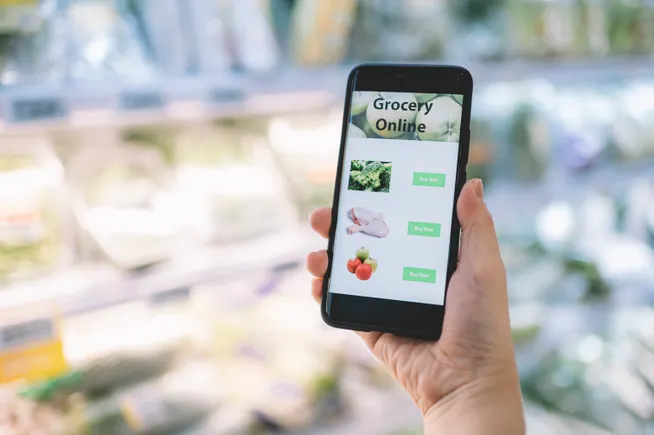
Over its more than 130-year history, Del Monte Foods has mastered growing, packaging, and marketing canned vegetables like corn and green beans, as well as plastic fruit cups filled with peaches and mandarin oranges. Yet the produce giant is now facing a new set of challenges that are harder to overcome: how to navigate the complex requirements that retailers set for consumer packaged goods (CPG) companies hoping to sell their products online.
Ensuring Del Monte complies with these rules—covering everything from how products are described to the images used—became so time-consuming that the company hired a full-time employee last year to handle the work. The creation of this new role followed Del Monte Foods' move to establish an e-commerce team within its sales department to lead retailer-related efforts.
"The requests from all our different retailers are just so numerous—I mean, it really has become a full-time job," said Jen Reiner, senior director of omnichannel marketing and e-commerce at Del Monte Foods.
The pandemic-driven surge in online grocery shopping has deepened the rift between retailers and suppliers over differing digital business priorities and incentives. This is especially evident in online product listings, which require significant work from both sides to develop and publish. Retailers say they need strict control over approval processes and the flow of consumer data, while suppliers complain about inefficient standards and grocers failing to update listings in a timely manner.
CPG companies, which in many cases manage thousands of SKU combinations, face countless requirements for selling products online—and these rules become even more complex because the content required by one retailer can be vastly different from another's.
Images often must be displayed in specific formats. The way product descriptions drive traffic may be subject to different requirements and word limits. Retailers like Kroger may define terms such as "vegan" or "organic" differently than Whole Foods. How the final listing is published—whether uploaded directly or filled out across different platforms to ensure continuity—also varies.
CPG companies must monitor their listings on an ongoing basis to ensure content remains fresh and up to date. But any changes they wish to make typically require retailer approval—a process that can take weeks or even months.

Sam Slover, co-founder and CEO of Pinto, a company that helps businesses manage products across e-commerce channels, said he is surprised by "how pedantic and confusing the process of listing products online is."
These processes are often complicated by incomplete or inaccurate information, such as ingredient changes or packaging updates, that is no longer current or accurate online.
Meanwhile, while retailers can easily collect information such as product names, front-of-pack images, or product dimensions—data already used in traditional brick-and-mortar retail—Slover noted they have a harder time collecting the so-called "customer-facing data" needed for modern e-commerce or digital retail.
Such information includes nutrition, allergens, the diets or lifestyles a product fits, flavors, and which search terms it matches. These attributes play a key role in helping consumers search for and find specific items, such as a kosher-friendly keto snack or a low-sugar vanilla yogurt in stock. A growing number of third-party companies are being hired to help collect and organize such information.
"We'll get there eventually, but I do think it's just part of the inherent transition from a more face-to-face way of selling to an online system," Slover said of e-commerce in the food space.
Seeking solutions
The rules grocers impose on suppliers seeking to be featured in their e-commerce channels reflect their attempts to control the online experience presented to shoppers.
"We filter out a lot of extraneous products and have a very rigorous onboarding process, so if you find anything on Westside, it's a vetted product," said George Zoitas, CEO of Westside Market, a seven-store grocery chain in Manhattan. "Manufacturers need to help the retailers that support their products, because at the end of the day, we are the point of sale."
However, Zoitas said the wholesalers he works with have developed streamlined systems that make it easier for the chain to obtain the information needed to add products to its e-commerce platform, such as digital images, better descriptions, or filtering attributes to enhance the customer experience.
"It's much faster now. Things have stabilized and people are integrating better," he said.
Zoitas added that up to 20% of the products sold in his stores do not appear on the company's e-commerce website, mainly because manufacturers fail to provide the high-quality images, clear descriptions, or detailed information such as expected shelf life that Westside requires.
"Manufacturers need to help the retailers that support their products, because at the end of the day, we are the point of sale."

George Zoitas
CEO of Westside Market
John Ross, CEO of the Independent Grocers Alliance (IGA), said that because many CPG companies use third parties to handle relationships with retailers, smaller grocers often face significant challenges in managing products on their websites and shelves. IGA is a network of food retailers with about 1,200 U.S. members.
Ross said IGA has developed resources to help small grocers stay on the radar of product manufacturers. IGA leverages the collective strength of the retailers it represents to help suppliers or their representatives convince grocers to sell their products online and in stores, and to streamline the process of collecting product images and other details for online use, Ross added.
Representatives for several of the largest U.S. grocery chains by store count—Kroger, Albertsons, and Ahold Delhaize—did not respond to requests for comment about their relationships with product manufacturers.
Elly Truesdell, a former Whole Foods executive responsible for local brands and product innovation, said the process of listing products on retailer websites has improved significantly over the past few years. But Truesdell, who recently left her role as partner at Almanac Insights to launch the investment fund New Fare, noted that the biggest hurdle remains keeping product listings up to date, including new packaging, more relevant search terms, descriptions, or other details—a particularly burdensome process for retailers managing tens of thousands of SKUs.

The logical solution would be to place these responsibilities on CPG companies, but she said doing so brings its own challenges, including the possibility that food manufacturers might try to gain an unfair advantage over competitors or struggle to comply with listing requirements. Retailers might also face the risk of ceding some control over their online stores to CPG companies.
"That's the negotiation happening right now. How much trust do retailers have, or how much control are they willing to give up?" Truesdell said. "At the end of the day, I think the onus is still on the retailer rather than the platform itself, because onboarding and product assortment start there."
Truesdell added that as retailers and CPG companies try to figure out the best ways to build digital platforms that attract consumers, the "dance" around how to sell products online is still evolving.
Tyson Foods is one supplier trying to make online listings more seamless and appealing for retailers, according to Jennifer Fitting, the company's director of e-commerce.
Unlike buying prepared foods like a bag of chicken nuggets, consumers purchasing meat online want a shopping experience similar to a physical store, where they can choose products based on appearance and perceived freshness. Fitting said that experience is inherently difficult to replicate online.
Fitting said Tyson uses artificial intelligence to determine which images best convey the information consumers need to make a purchase. The beef, pork, and chicken processor typically tests multiple listings with consumers, whether by adjusting images or adding or removing content such as nutritional information. Fitting said heat maps help Tyson determine what resonates most with shoppers.
According to a survey by Midan Marketing cited by Tyson, 30% of consumers said the primary way they buy meat is online.
"Retailers ultimately have the final say. We don't want to push anything on them that they're not comfortable accepting, so it's a collaboration," Fitting said. "We can tell them what our best practices are and what we think is reasonable."
"That's the negotiation happening right now. How much trust do retailers have, or how much control are they willing to give up?"
Elly Truesdell
Partner at Almanac Insights
Fitting said the online marketplace is still relatively nascent, which naturally means how CPG companies and retailers collaborate to build an online presence, and the processes they use to make it more appealing to consumers, will continue to evolve.
"New technologies and new marketing methods emerge every day," Fitting said. "Customers are changing. Consumers are changing, so the worst thing we could do is stay stagnant. We always have to look at where things are headed and make sure we're out in front."
Brian Archey, senior director of data science and analytics at Conagra Brands, said the fact that CPG companies control the channels where people want to buy products gives them an advantage in managing relationships with grocers.
"Retailers want better products. They want to make sure the shelves are stocked with what consumers want... However, we don't have direct access to the purchase data and consumer data that retailers have, because the control is in their hands," Archey said. "But the partnership is fairly collaborative, and we're able to create better products to sell based on what consumers need and are actually looking for."
Del Monte Foods' Reiner said retailers are increasingly evaluating how well CPG companies adhere to their online guidelines. While food manufacturers are not currently subject to penalties or fines, their performance in the online marketplace has become just as important as timely supply or sales figures, she said.
"You get put on a scorecard, and like any business relationship, you certainly want an 'A' on that report. If your content card isn't an 'A,' then it becomes a topic of discussion in business meetings when you're talking about other initiatives you want to push forward," Reiner said.