
Restaurant brands accelerate expansion into ready-to-eat meals, challenging supermarkets' 'grab-and-go' advantage
Restaurant brands are challenging supermarkets' traditional advantage in the grab-and-go segment by increasing their offerings of pre-made ready-to-eat meals. From Starbucks to Panera, Pret A Manger, and the emerging Foxtrot model, the industry landscape is evolving. Experts believe this poses a real threat to supermarkets, but supermarkets are also actively responding through innovative store formats and partnership strategies.
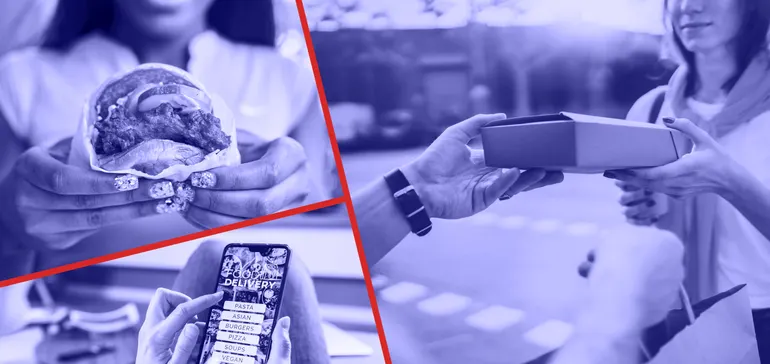
In the long-running competition for consumers' food dollars, grab-and-go has been one of the core advantages supermarkets have over the restaurant channel. However, restaurant brands are trying to weaken this advantage by offering prepared hot and cold foods that complement their made-to-order items.
Following chains like Starbucks offering yogurt, juice, and packaged wraps and sandwiches, restaurant companies such as Newk's Eatery and Lemonade have also added grab-and-go display cases for sandwiches, salads, and sides in their stores. Other brands are testing the waters. Chick-Fil-A launched a meal kit pilot program last year; Panera is piloting a grab-and-go coffee service where customers can fill their own cups, pay through the company's app, and leave. Panera also recently announced it will open airport locations in 2020 offering grab-and-go versions of many of its classic products.
The number of limited-service restaurant locations in big cities is also growing. Pret A Manger has more than 450 locations globally, and according to the retailer, it offers pre-made steel-cut oatmeal, breakfast wraps, sandwiches, salads, soups, and baked goods, with the only on-site preparation being barista-made coffee drinks.
In the past, restaurant brands avoided grab-and-go because the model made it difficult to upsell customers on sides or extra drinks like dine-in service. But over time, some companies have realized that grab-and-go options are crucial for time-pressed customers, John Connelly, vice president of innovation at food and beverage insights company Mattson, told Grocery Dive. If restaurant brands don't offer this option, they risk missing out on customers who are in a hurry.
Experts point out that this shift in restaurant strategy could put more pressure on supermarkets. Peter Saleh, managing director and restaurant analyst at BTIG, said that restaurants like Panera or Le Pain Quotidien, whose core business is "craveable" food, often come to mind first when consumers want to quickly solve a meal.
"If you're in this industry, you're selling the craveability that comes from the cuisine you specialize in. I do think this poses a threat to supermarkets," Saleh told Grocery Dive. "Because if you can grab something on the way that meets the bar in terms of brand, taste, and hopefully health and wellness, then I think most people would choose to go to Panera rather than park at King's Soopers in Denver or Safeway in San Francisco."
The precise timing of restaurant brands entering grab-and-go
Breakfast is one area where restaurant brands are trying to win with grab-and-go items, said Barb Stuckey, president and chief innovation officer at Mattson. Many brands are already seen as morning dining destinations. Packaged egg sandwiches and yogurt parfaits target customers seeking a quick meal during the morning rush.
"If you can grab something on the way that meets the bar in terms of brand, taste, and hopefully health and wellness, then I think most people would choose to go to Panera rather than park at King's Soopers in Denver or Safeway in San Francisco."
Peter Saleh
Managing Director and Restaurant Analyst at BTIG
Chains focused on specific dayparts, like Starbucks and Dunkin', have the biggest opportunity to reach these customers, Stuckey said. In 2016, Dunkin' tested a "Ready-to-Go" grab-and-go line at the front of its stores, including sandwiches and fruit and cheese platters; last year, it showcased a "store of the future" concept with self-order kiosks and grab-and-go stations. Eggs Up Grill, which has multiple locations in the Southeast, began testing a grab-and-go counter in June at a location in South Carolina, featuring a coffee station and offering yogurt, fruit, and pre-made sandwiches.
Meanwhile, Connelly explained that fast-casual brands like Panera, Au Bon Pain, and Pret have locations in busy urban areas with high office density—which is ideal for the lunch crowd. Once the lunch line gets long, grab-and-go options become an attractive choice.
With unemployment at historic lows and wages rising, restaurant brands face difficulties in staffing their cashier stations and kitchens, which puts pressure on customer service and food preparation, Stuckey noted. Offering grab-and-go items can shift prep work to suppliers, central kitchens, or off-peak hours, she said.
"I think it's more about revenue generation and being able to be profitable or more profitable than having customers wait in line, because you need more labor," Connelly said.
To establish a presence in bustling cities, restaurants often have smaller footprints and lack the kitchen space and equipment to make everything from scratch, Saleh said. The grab-and-go model allows them to offer a broader product line while still competing with fast-casual brands like Panera or quick-service brands like McDonald's.
"The grab-and-go model allows some operators to enter categories they weren't in before," Connelly said.
In Sacramento, California, popular Mexican restaurant Zocalo just launched a line of grab-and-go bowls and salads that customers can order through the restaurant's website or DoorDash, and can also purchase at Raley's Market 5-One-5, an urban concept store in downtown. Customers can also buy the bowls in the restaurant, where they are made to order on-site and packaged.
The concept is designed to offer convenience to customers and build on its busy takeout business, Zocalo President Ryan Rose told Grocery Dive.
Although venturing into grab-and-go foods follows industry trends, Zocalo's partnership with Market 5-One-5 is an innovative strategy. Rose said Zocalo does not view supermarkets as competitors in this space but rather uses them as a distribution channel—an idea that originally came from the supermarket side.
"They wanted to diversify the offerings in their stores. They do a great business in prepared grab-and-go foods and are looking to bring in more variety," Rose said.
Zocalo's grab-and-go salads retail for $8.99 and $9.99, while bowls range from $9.99 for a vegetable bowl to $12.99 for a salmon bowl. These products are similar to bowls on the restaurant's dine-in menu, with bases including local brown rice, black beans, pickled vegetables, tender kale, and cilantro pesto, plus vegetables or protein. All bowls are made fresh daily.
New models emerge in the grab-and-go supermarket space
Supermarkets, long considered experts in grab-and-go, are not about to easily cede ground to restaurant brands.
Over the years, retailers have built a wide variety of grab-and-go and heat-and-eat offerings. Festival Foods sells fresh meals containing protein, starch, and vegetables for $5 to $6. Kroger has placed meal kits and prepared foods from the Home Chef brand it acquired last year at the front of some stores. The Cincinnati-based retailer has also introduced customizable frozen entree and side stations in hundreds of stores.
New models are also emerging in the grab-and-go supermarket space. Digital-native convenience store Foxtrot operates seven physical locations in Chicago and one in Dallas, and it makes grab-and-go a key component of its convenience-focused model, said Ashley Alden, Foxtrot's director of merchandising.
"When you walk into our stores, it feels like... a mix of a coffee shop, convenience store, and supermarket, and the grab-and-go cooler clearly plays a central role in our business," Alden told Grocery Dive.
For the morning crowd, Foxtrot places grab-and-go breakfast burritos in a heated case in the coffee area, while overnight oats and breakfast parfaits are in the store's grab-and-go cooler. During lunch, customers can choose from salads, sandwiches, wraps, and chef-prepared entrees, Alden said.
Snacks and desserts also play a significant role at the retailer, which offers house-made dips, bento boxes with small salads, and other snacks. Foxtrot also partners with local vendors to offer specialty desserts in the cooler, such as pie slices from Chicago's Bang Bang Pie and single-serve ice cream from local brand Jeni's.
Since Foxtrot started as an e-commerce business, all grab-and-go items are also available for on-demand delivery through the app or website, Alden said.
"On-demand delivery is where we started and where we continue to invest a lot of our efforts for customers," Alden said.
Another priority for Foxtrot is keeping its food offerings trendy. Its menu recently added Impossible Chili, made with Impossible plant-based products. The company also uses oat milk in its overnight oats, a practice Alden says is currently popular. Foxtrot's menu is updated seasonally.
According to FMI's Foodservice Impact Report, in retail foodservice, 68% of shoppers are interested in ready-to-eat grab-and-go items. Heat-and-eat products rank second at 63%. The report found that grab-and-go items are more popular than hot and cold self-serve bars, made-to-order food stations, and restaurant-style seating.
Additionally, grab-and-go items are important across all dayparts, especially lunch, said Rick Stein, vice president of fresh foods at FMI.
"Our consumers tell us that if they can't make a decision and get in and out in 15 minutes, then you haven't met their lunch needs," he told Grocery Dive. "That means from the moment they try to decide to the moment they leave, you have to figure out how to have the food ready, hand it to them, and get them out. Grab-and-go fits that need perfectly."
What can both sides learn from each other?
As restaurant brands seek to enter the grab-and-go space, they may view supermarkets as competitors—or as models for doing grab-and-go well.
However, given the significant differences between grab-and-go operations and typical restaurant operations, Stein questions whether restaurant brands can truly succeed in this space. He said he can see some smaller restaurants or fast-casual brands like Chipotle pulling it off, but it's not for everyone.
Foxtrot is finding success at the intersection of seasonal fresh ingredients and high-quality standards, according to Alden. Over the past year, sales of its chef-prepared grab-and-go items have tripled.
"We offer a more curated menu for our customers, and restaurant brands can definitely learn from that, but you still have the convenience factor, which means our customers can very easily get those higher-quality products and be in and out in under five minutes," Alden said.
While a typical convenience store might offer a traditional turkey sandwich, Foxtrot goes further with a turkey, cranberry, and brie sandwich, Alden said; or instead of a plain salad, the store offers a shaved Brussels sprout salad.
"I think combining high-quality, trendy ingredients, seasonal updates, and ease of purchase is where we're winning right now."
Ashley Alden
Director of Merchandising at Foxtrot
"I think combining high-quality, trendy ingredients, seasonal updates, and ease of purchase is where we're winning right now," Alden said.
Supermarkets can also learn something from restaurant brands. Stuckey believes supermarkets should consider rethinking their store layouts. She thinks supermarkets could place grab-and-go items near the entrance to replace impulse purchases at the checkout. Connelly suggests more supermarkets place grab-and-go sections near self-checkout lanes for faster service.
Hy-Vee's small-format stores HealthMarket and Fast & Fresh are examples where the grab-and-go model can thrive, Connelly noted. Fast & Fresh is designed to serve busy customers who need convenient groceries and a dining experience. The store offers the Hy-Vee Shortcuts line, which includes pre-cut and washed fruits, vegetables, snacks, and ready-to-eat foods, along with takeout meals.
Connelly believes Amazon Go is another retailer tailored to the grab-and-go model. These stores use computer vision technology to track customers and automatically charge them for items they pick up, offering a wide variety of fresh foods, drinks, and meal kits.
"If Amazon, with its big data and understanding of retail, sees an opportunity in the grab-and-go space, then I think retailers should pay attention," he said.
