
Technology

AI rapidly expands in food retail, industry survey shows adoption rate surging
The FMI 2026 Food Retailing Report shows that 68% of food retailers are using artificial intelligence, up significantly from 47% in 2025. Technology spending as a share of sales nearly doubled from about 1% in 2024 to nearly 2% in 2025, with 71% of retailers planning to increase technology investment in 2026. Generative AI adoption rose from 43% to 59%, and deployment of organization-wide AI tools doubled to 40%. Despite ongoing economic challenges, the industry remains optimistic about technological transformation.
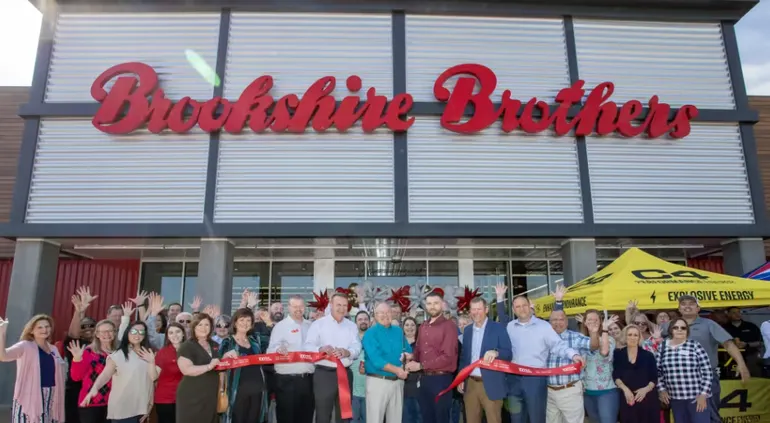
Brookshire Brothers deploys AI promotion planning tool to strengthen value proposition
Brookshire Brothers announced on Wednesday that it has fully implemented Cognira's AI-driven promotion management platform PromoAI. The tool leverages artificial intelligence and advanced analytics to help retailers plan, execute, and evaluate promotions more precisely, addressing ongoing consumer concerns about food prices.
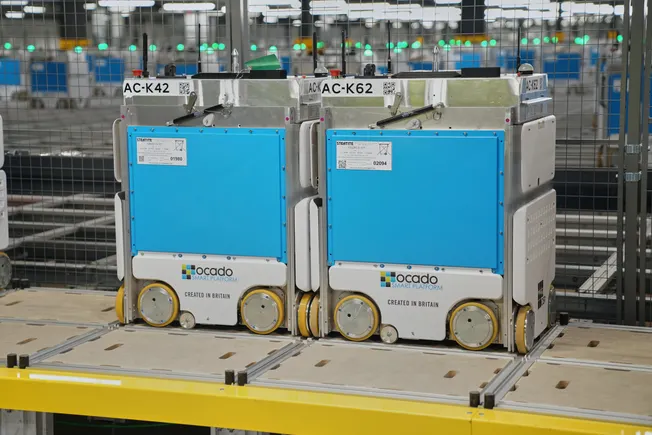
Ocado announces CEO departure timeline, Tim Steiner to hand over reins in fiscal 2028
Ocado disclosed on Monday that CEO Tim Steiner will step down at the start of fiscal 2028, moving to a "founder" role. The transition will be completed after his successor is appointed. The announcement comes as Ocado faces challenges from key customer Kroger showing reduced interest in its automation technology.
Albertsons Advances Scaled Deployment of Merchandising Intelligence Platform
Albertsons is advancing the scaling of its merchandising intelligence platform, built on Databricks, integrating data governance and AI capabilities to enable buyers to obtain forward-looking insights through natural language queries, with full deployment expected by the end of 2026.
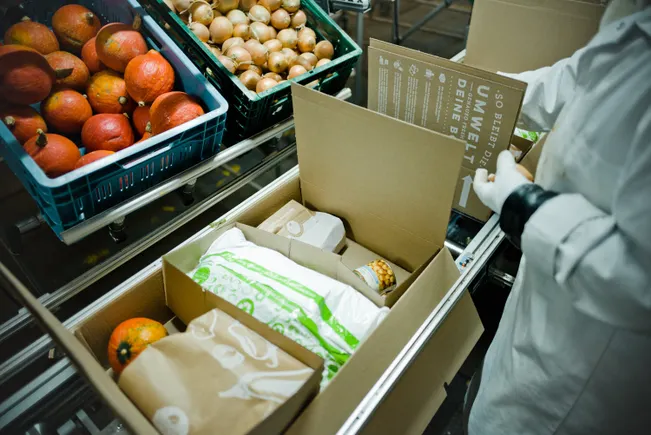
HelloFresh Boosts Cold Chain Fulfillment SKU Capacity 5x with Robotic Deployment
HelloFresh announced that, through an expanded partnership with Locus Robotics, its cold chain fulfillment SKU capacity has increased from 100 to 500, a fivefold increase. The first 13 Locus Origin robots were piloted at the Factor brand in July 2025, with an average fulfillment time of 3 minutes and 36 seconds, and 26 additional units were added within three months. The company plans to extend robotic support to the EveryPlate brand later this year.
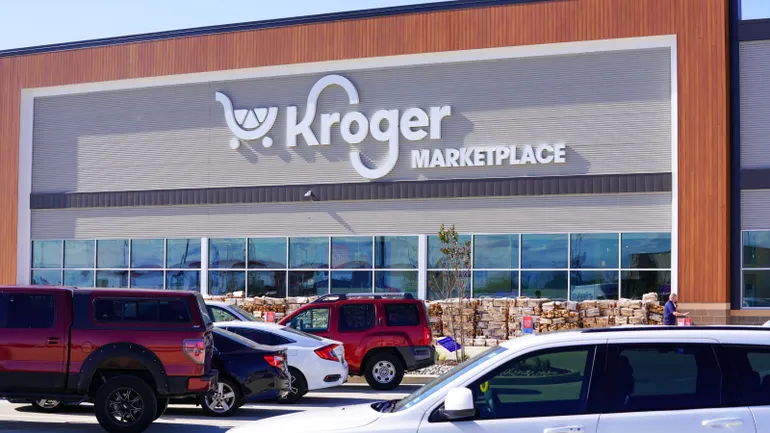
Kroger Retail Media Partners with TikTok for Targeted Advertising
Kroger's retail media unit, Kroger Precision Marketing, announced a partnership with TikTok on Friday, enabling advertisers to target ads to consumers based on Kroger customer purchase data through TikTok's self-service advertising system. This follows its partnership with Google for YouTube ads in March, reflecting the growing influence of social platforms in product discovery and purchase decisions.
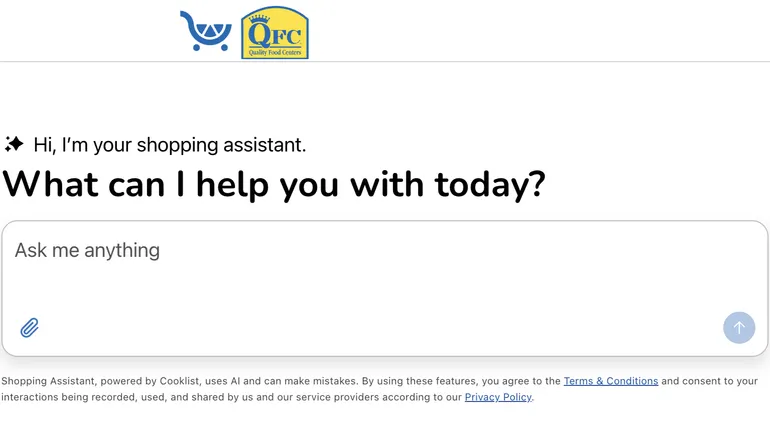
Automated Shopping Cart Builder Adopted by Kroger and Wegmans
The AI shopping assistant developed by Cooklist has officially launched and has been adopted by retailers such as Kroger and Wegmans, capable of automatically generating shopping carts based on customer descriptions. This technology combines the functions of a personal shopping advisor, head chef, and nutritionist, aiming to eliminate shopping friction. Currently, the service covers over 700 stores in the United States, with plans for further expansion.
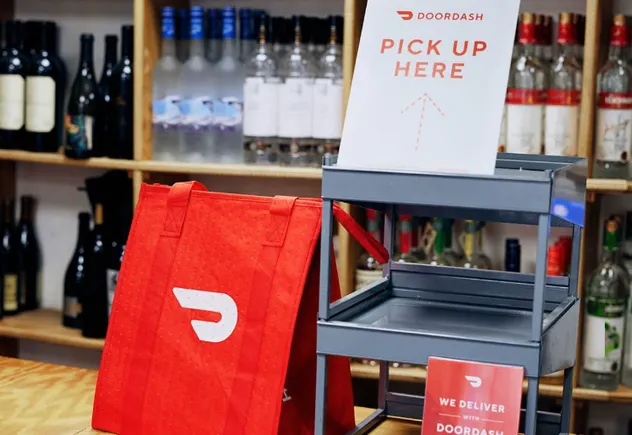
DoorDash launches conversational shopping assistant to simplify online cart building
DoorDash announced on Thursday the launch of a conversational shopping assistant called "Ask DoorDash" that can automatically generate a shoppable cart based on user descriptions, recipe links, or images, aiming to reduce the tedious steps of building a cart in e-commerce shopping. The feature is currently available on Apple phones in parts of the United States, with plans to expand to more users and the upcoming DoorDash Reservations service in the coming weeks.

Walmart and Wing to Expand Drone Delivery to Seven New Markets
Walmart and Wing announced the expansion of drone delivery to seven new markets: New Orleans, Philadelphia, Phoenix, San Diego, the San Francisco Bay Area, Salt Lake City, and Memphis, with operations expected to launch by 2027 and continued scaling of their partnership with Walmart.

Connecticut becomes the second U.S. state to legislate on dynamic pricing
Connecticut Governor Ned Lamont signed a bill prohibiting retailers from customizing prices based on personal identity information, making the state the second in the nation to regulate dynamic pricing. New York's state assembly passed a similar bill the same day, pending a decision by Governor Kathy Hochul. Colorado Governor Jared Polis vetoed a similar bill in his state, citing its overly broad scope.