
4 Innovative Dining Solutions Born from the Pandemic
During the pandemic, grocers observed a surge in consumer enthusiasm for cooking, but also signs of fatigue. To meet diverse dining needs, retailers introduced a range of innovative solutions, including pre-packaged salads, hot food pickup and delivery services, meal kit planning, and in-store meal kits. These measures not only addressed pandemic challenges but may also become long-term trends.
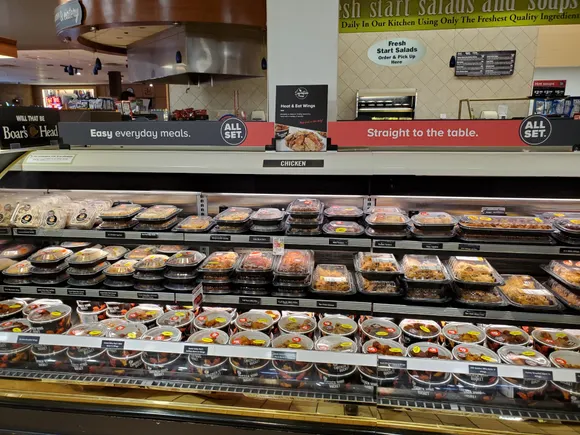
A dominant narrative during the pandemic was that consumers had rekindled or even discovered a love for cooking. This was a big boon for grocers, with sales of fresh food and baking supplies surging over the past few months. However, research shows that some consumers have grown tired of cooking. Additionally, millions of consumers never really enjoyed cooking in the first place.
"During the pandemic, I think people experienced recipe fatigue at one point," said Rachel Shemirani, senior vice president of Barons Market.
To reach these diners, grocers like Barons are offering a variety of innovative meal solutions, ranging from new packaged foods and heat-and-eat dishes to recipe programs designed to help with cooking.
Nationwide, retailers have adjusted their meal strategies in response to the pandemic. Here are some of the interesting meal programs grocers have recently launched, all of which have the potential to endure post-pandemic.
Reimagining the salad bar
The self-serve food stations at San Diego-based Barons Market are a major draw at its nine stores. In addition to a fresh salad bar, Barons features an olive bar, a vinegar and olive oil tasting station, a hot food bar, a soup bar, and a demonstration kitchen area where the grocer creates 15-minute recipes using unique in-store ingredients.
Then COVID-19 hit. Even before California required the closure of open food bars, Shemirani was receiving feedback from stores that customers were no longer comfortable buying food from these areas.
Barons quickly decided to pivot and began offering pre-packaged salads priced between $4.99 and $6.99. Previously, the self-serve salad bar was priced at $6.99 per pound. Shemirani said there are now nine to ten different grab-and-go salad options displayed in the salad bar area. Customers can choose from options like grilled chicken ranch salad, kale quinoa salad, or antipasto salad.

Shemirani said that because Barons is known for its salad bar, store teams were unsure how customers would react, but the feedback has been very positive. Some customers have purchased up to seven salads at a time to stock up for the week.
"Although our very popular salad bar is missed, I think we are offering a good alternative and customers are satisfied with it," Shemirani said.
Additionally, Barons began having employees staff its popular soup bar to safely serve fresh soups. Depending on the store, there are 8 to 12 soup options available daily, including white chicken chili, potato soup, and classic chicken noodle soup.
Given that salad bar sales had been gradually shrinking over the past few years, some grocers were already considering redesigning this department. When Heinen's (which operates 23 stores in Ohio and Illinois) had the opportunity to bring a $35,000 salad-making robot into its stores, it seized the chance. Sally is currently operating at a store near the company's headquarters and will soon be rolled out to more locations, said Chris Foltz, the company's chief innovation officer. Chowbotics, the company that makes Sally, just launched an app that makes the customer experience completely contactless.

Other grocers like Publix and Whole Foods have turned to employee-staffed salad bars, while equipment manufacturers like Hussman have introduced new equipment that frees up space for employee service. This month, The Giant Company became the latest grocer to partner with fast-casual chain Saladworks, adding a station offering custom salads, wraps, and soups at its Camp Hill, Pennsylvania store.
Saladworks said in an announcement that it already has locations in six grocery stores and will open 10 more by early next year.
Convenient meal pickup and delivery
During the pandemic, some customers continued to use meal delivery services, but with many restaurants closed or operating with restrictions, they had fewer options. Grocers filled this gap by expanding services that made hot and cold food delivery faster and more convenient than before the pandemic.
In April, Hy-Vee launched Mealtime to Go, adding options for hot deli items and ready-to-bake meals that customers could order for curbside pickup or delivery via DoorDash. This new service has been warmly received by Hy-Vee customers, said Tina Potthoff, senior vice president of communications at Hy-Vee, in an email, and the retailer has expanded the service to its new Hy-Vee Fast & Fresh stores.

This service is safe and convenient for shoppers, with meals ready in as little as 15 minutes, Potthoff said. Mealtime to Go also includes hundreds of items from Hy-Vee's foodservice departments, including brands like Nori Sushi and Hickory House, as well as its Market Grille and Wahlburgers restaurants.
H-E-B and Wegmans quickly converted their in-store restaurants to takeout services, while grocers like ShopRite and Publix promoted deli takeout apps offering sandwiches, salads, and other items for pickup or delivery.
ShopRite also recently launched meal delivery and pickup services as part of its new Fresh to Table section. This department uses a store-within-a-store model, offering meal solutions like heat-and-eat and ready-to-eat foods, as well as meal kits with pre-prepped ingredients. Customers wanting to order meal delivery can do so through DoorDash, or through ShopRite's Order Express app for pickup.
Meal planning
In some cases, customers want to cook themselves but need extra guidance or inspiration. Many retailers are presenting meal ideas in new ways, from meal kits and meal deals to curated recipe ideas.
The Giant Company had this in mind when it launched the All Set program in September, which focuses on promoting meal ideas so shoppers know exactly what to buy when making their shopping lists.
In store circulars, Giant uses the All Set label to highlight meal solutions. Whether it's a quick meal or one that customers can cook from start to finish with all ingredients on promotion, shoppers will know that what's under All Set is both relevant and affordable.

One example of an All Set meal is Giant's new Cook-In-Bag product, which contains meat or seafood (such as shrimp or pork tenderloin) and can be cooked directly in the bag without any preparation after removing the label. In stores, shoppers will see Cook-In-Bag products under All Set signage, possibly placed next to promoted broccoli, and they'll know that's all they need to make a meal.
Another way Giant curates meals is through its Meal Deals, where customers who purchase a main ingredient (such as pot roast) get the other ingredients needed to make the meal for free.
John MacDonald, director of marketing operations and meal solutions at The Giant Company, said the grocer was already developing its meal solutions strategy before the pandemic. When the pandemic hit, changes in people's shopping and cooking behaviors made the company's efforts even more relevant.
"(Shoppers) still have situations in their lives that drive them to prepare specific meals for the table, and they still have certain compelling reasons to choose those foods for their families. They still plan, they still want to buy, they still want to cook at home," MacDonald said.

Other retailers are exploring similar ideas to help customers plan weekly menus. H-E-B has a section on its website called Meal Simple, where shoppers can click on a cuisine (such as Mexican or Asian) or a category (like ready-to-bake) and immediately see a variety of heat-and-eat or pre-made food options that fit the criteria.
During the pandemic, Hy-Vee also began offering $19.99 family meal deals. "We found that offering complete family meal deals was important to customers, and it also promoted family meal time," Potthoff said.
Rethinking in-store meal kits
The resurgence of meal kits during the pandemic has been well documented, and Barry Friends, co-founder and partner at foodservice consulting firm Pentallect, is especially enthusiastic about meal kits on retail shelves.
"I'm very bullish on meal kits," he said.
Friends noted that while subscription meal kit delivery remains useful, he looks forward to the next phase of fresh packaged meal kits in stores, such as those available through Meisterdish, which launched a pilot program with Schnucks last fall.

Although Meisterdish had to pause operations when the pandemic hit, Friends expects this model can go further in the future, especially for stores looking to create "stickiness" beyond store circulars. In-store meal kits made with fresh ingredients from store shelves and the grocer's own recipes could become a major competitive advantage.
"I don't think retailers have fully figured out meal kits yet. The industry has been struggling, but the pandemic gave it a good push," Friends said.
This year, several other retailers also tried to reinvigorate in-store meal kits in a streamlined way. In Boise, Idaho, Albertsons began piloting a new type of Plated meal kit containing pre-prepped ingredients that only require shoppers to add one main ingredient, such as rotisserie chicken.
Giant Eagle launched a new meal kit called Cookery Complete over the summer, sold at 40 stores in the Pittsburgh area. Each kit contains a raw protein, sauce, and vegetables. The product was introduced as a complement to Giant Eagle's other meal kits and meal solutions.