
Technology
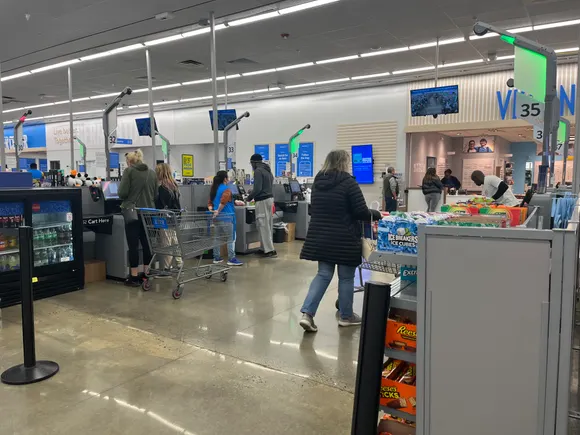
The Friday Checkout: Why did Walmart take so long to adopt tap-to-pay?
Walmart has finally embraced tap-to-pay, ending years of resistance. It had previously pushed chip cards and its own payment app to maintain control over transactions. Analysts suggest the eventual concession may have been a reluctant move. This week also saw executive changes at Ahold Delhaize and new personnel appointments at Giant.
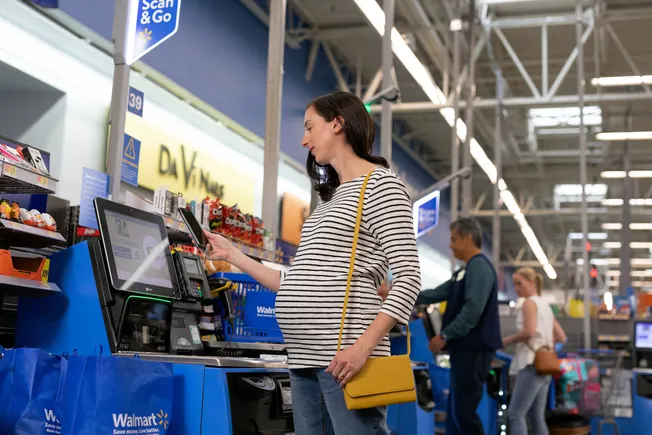
Walmart to accept Apple Pay, Google Pay
Walmart announced on Monday that it will begin accepting contactless payments from digital wallets, including Apple Pay and Google Pay, at select stores and Sam's Club locations, with plans to cover approximately 4,600 stores nationwide by the end of the year, and expand to gas stations starting in 2027. This move ends the company's years-long rejection of rival mobile wallets.
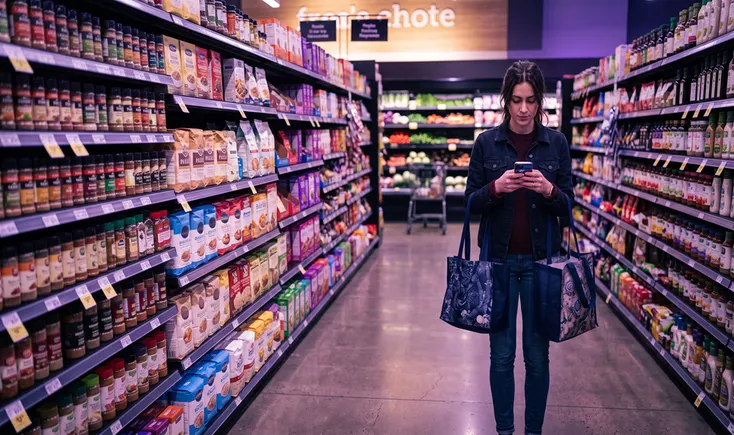
Grocery built the last great discovery system. AI is building the next one.
Supermarket retail once dominated product discovery with a sophisticated architecture, and now AI-driven conversational recommendations are reshaping this system. Brands that want to stand out in AI-generated shortlists need to structure their product information and proactively invest in discoverability infrastructure.

The Friday Checkout: Federal scrutiny of pricing practices ramps up
This week, a Senate Judiciary subcommittee held a hearing on AI-driven 'surveillance pricing,' intensifying scrutiny of grocery pricing practices. Several states have passed legislation limiting retailers' use of consumer personal data to influence pricing, but multiple federal bills have not progressed. Industry organization FMI emphasized the critical importance of maintaining consumer trust.
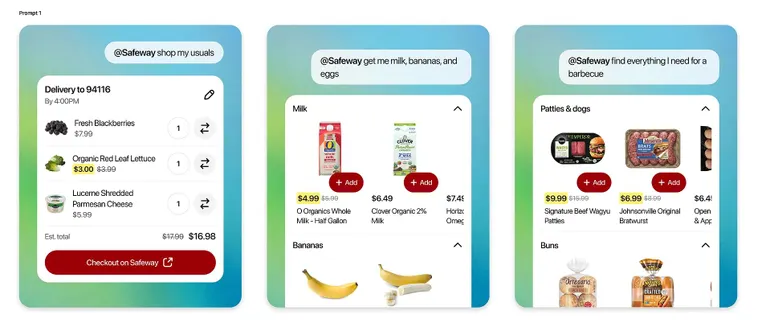
Safeway plugin comes to ChatGPT
Albertsons announced on Wednesday the launch of a Safeway plugin for ChatGPT, enabling users to discover products and build shopping lists within the AI platform. The plugin experience is designed to translate users' requests and preferences in ChatGPT into relevant Safeway product options; after users finish browsing and adding items, they will be guided to the Safeway platform for checkout. This collaboration is the latest step in Albertsons' efforts to enhance the digital customer experience, as the company earlier this year listed AI as one of its four priorities for 2026.

Wakefern plans centralized pharmacy fulfillment center
Wakefern Food Corp. announced on Monday its plans to operate a centralized pharmacy fulfillment system at one of its facilities. The 12,000-square-foot facility, expected to open in early 2027, will serve 149 ShopRite and 2 The Fresh Grocer stores in the Northeast and will operate in partnership with pharmacy fulfillment solutions provider iA. The system will automate pharmacy back-end operations, improving efficiency and reducing the burden on pharmacists.
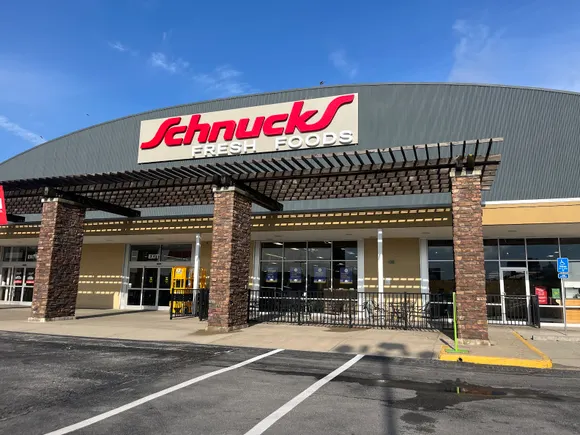
Schnucks turns to agentic AI shopping assistant
Schnuck Markets announced Wednesday its plans to introduce an AI-driven agentic shopping assistant for customers. The tool, set to launch on the Schnucks app and website later this summer, is being developed in partnership with VitalityIP, an AI digital nutrition guidance and health data platform. Schnucks said it will be the first retailer to deploy the VitalityIP platform, with the agent's 'intelligence' based on over 6 billion rows of shopping, health, and nutrition data.
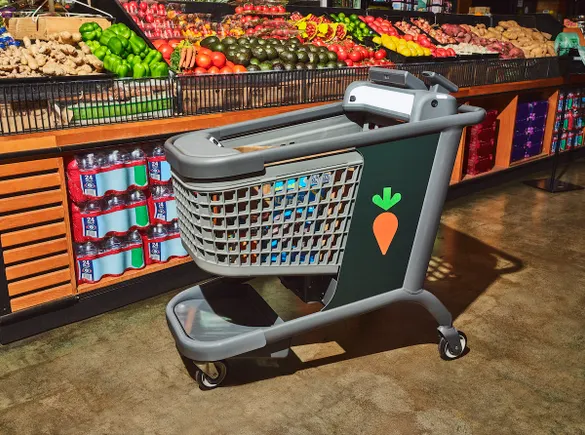
Instacart acquires shelf-scanning technology startup Arpalus
Instacart announced on Thursday that it has acquired Arpalus, a startup developing an AI-powered shelf-scanning system, with deal terms undisclosed. The system uses computer vision to help employees record inventory with smartphones, aiming to reduce customer dissatisfaction caused by out-of-stock items and improve order fulfillment efficiency.
AI in Grocery Retail: Easy to Adopt, Hard to Trust
Toast conducted a blind test from April 3 to 20, 2026, with decision-makers at small and medium-sized U.S. grocery stores. Results show that 93% of respondents feel comfortable using AI, and 90% of businesses are actively experimenting with AI. The report indicates that grocers' expectations for AI focus on operational improvements, such as better decision-making (45%), increased sales (39%), and optimized inventory (36%). Regarding application preferences, 54% of respondents favor integrating AI features into a single platform, and 38% trust existing retail technology providers to guide AI strategy. The report emphasizes that trust is an accelerator for AI adoption, integration is better than fragmentation, and human oversight remains a current expectation.
A New Era of Food Recalls: Smarter, Faster, More Precise
Consumers are increasingly worried about the frequency of food recalls, but industry experts believe that the rise in recall numbers is not a sign of deteriorating food safety, but rather a reflection of enhanced detection and response capabilities. With electronic traceability and shared standards, the food industry is moving towards a more precise recall model, reducing waste and strengthening public trust.