
Deep Dive
来自我们记者的行业洞察

Eight Major Trends to Watch in the Grocery Industry in 2025
The grocery industry in 2025 will face profound changes: M&A activity may resume after the failed Kroger-Albertsons merger, discounters continue to exert pressure, consumer value orientation strengthens, data management, electronic shelf labels, and AI applications accelerate, health demands and private label competition intensify, and tariff uncertainty looms.
'Healthcare is complicated': Kroger's complex journey at the intersection of food and health
Kroger's health division, leveraging its supermarket operations, offers comprehensive health solutions ranging from nutrition scoring to pharmacy services, aiming to enhance customer loyalty and navigate industry changes. However, the division still faces numerous challenges in regulation, technology, and consumer education. Based on interviews with multiple executives, this article analyzes its strategic progress and future plans.
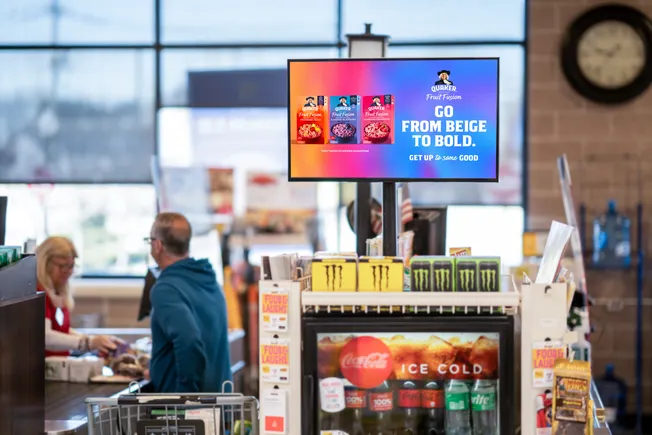
What is the key to unlocking in-store retail media?
Although digital retail media provides retailers and advertisers with a broad reach platform, in-store retail media is showing greater potential in influencing consumer purchase decisions. 84% of retail sales still occur in physical stores, prompting retailers to accelerate the deployment of technologies such as tasting kiosks, digital endcaps, cooler screens, and smart shopping carts. However, measuring advertising effectiveness, protecting consumer privacy, and integrating applications with screens have become key issues for the industry's advancement.

Influencer Economy Reshapes Social Media Strategies in the Food and Beverage Industry
2024 is seen as a pivotal turning point for influencer marketing. Food and beverage companies are shifting from traditional advertising to partnering with influencers, content creators, and superfans to build authentic connections and drive sales. This article analyzes successful cases from brands like Poppi and Olipop, while also exploring public opinion risks and legal challenges faced by Chobani, Bud Light, and others, and interprets new industry trends under stricter FTC regulation.
Can Lidl Usher in a Turning Point in the U.S. Market?
Lidl entered the U.S. market in 2015 and currently operates only about 170 stores, far fewer than Aldi's 2,400. Facing competitive pressure and its own challenges, Lidl is seeking growth in the U.S. market through strategies such as product adjustments and executive reshuffles.
Why Is the Definition of Organized Retail Crime (ORC) So Vague?
Organized retail crime (ORC) lacks a unified definition among the retail industry, law enforcement agencies, and research institutions, making its scale difficult to quantify, and related data is often misused or overstated. Based on reports from the National Retail Federation (NRF), K2 Integrity, and other organizations, as well as expert interviews, this article analyzes definitional discrepancies, statistical issues, differences in state laws, and distinctions from ordinary shoplifting.
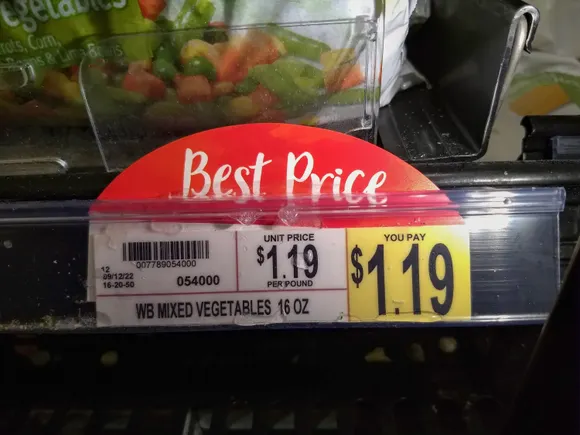
Inflation eases, but consumer focus on prices remains high
Although official data shows inflation has fallen from its peak, consumer sensitivity to food prices has not diminished. High interest rates, debt pressure, and rising costs of necessities are forcing consumers to budget carefully, while retailers are competing for price-sensitive customers through promotions, membership programs, and other means. Experts point out that consumer perception of inflation lags behind actual data, and price competition will remain a core issue in the grocery industry in 2024.

Eight Major Trends Outlook for the Grocery Industry in 2024
In 2024, the grocery industry faces multiple transformations: the pending $24.6 billion merger between Kroger and Albertsons, the continued rise of value retail, the maturation of omnichannel strategies, Walmart's momentum, accelerated upgrades to in-store experiences, a shift in e-commerce fulfillment focus toward stores, the growth phase of retail media networks, and artificial intelligence emerging as a new industry engine. This article synthesizes expert perspectives to analyze how these trends will reshape the industry landscape.
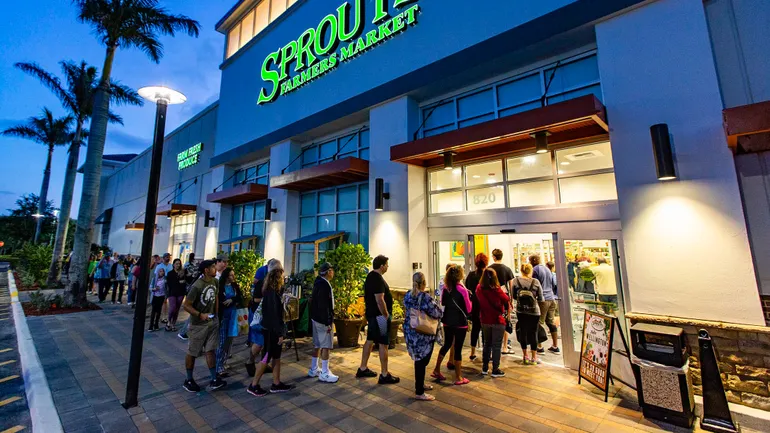
Sprouts Farmers Market Expansion Blueprint: From Deep Cultivation in the West to Advancing on the East Coast
Sprouts Farmers Market achieved its goal of opening 30 new stores in 2023 and plans to open 35 new stores in 2024, continuing its revised expansion strategy. The strategy focuses on health enthusiasts and discerning consumers, adopts a smaller store format, and increases its presence in East Coast markets such as Florida and New Jersey. Chief Strategy Officer David McGlinchey stated that the company will focus on developing the Northeast and Midwest markets in the future and is preparing new distribution centers.
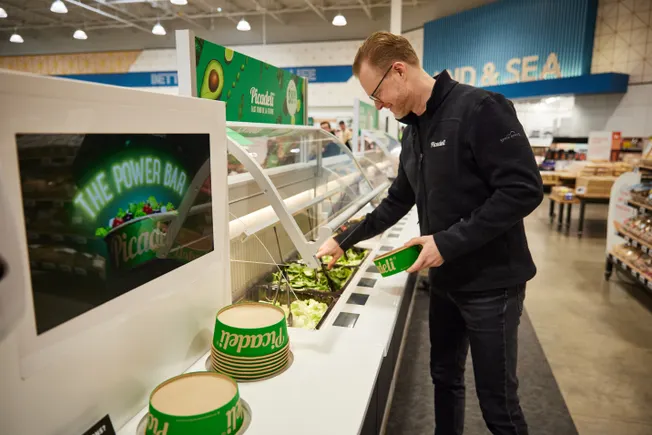
The 'Renaissance' of Food Service: How American Grocers Are Upgrading Deli and Prepared Meal Operations
Industry research and retailer developments show that the deli and prepared meal departments of American grocery stores are undergoing a 'renaissance.' Facing rising costs of dining out and consumer cooking fatigue, grocers are using strategies such as improving quality, expanding categories, optimizing online ordering, and bringing in restaurant industry talent to position their stores as an alternative to restaurant dining.