
Kroger Health: Strategic Practice of Using Food as Medicine
Kroger Health is treating food as medicine, addressing the challenges of high chronic disease rates and healthcare spending exceeding $4 trillion in the U.S. through initiatives such as the OptUp nutrition scoring system, dietitian consultations, and remote nutrition services. The company plans to stock 15,000 healthier products by 2025 and is exploring embedding nutrition scores into electronic medical records, aiming to become the first food benefits manager in the United States.
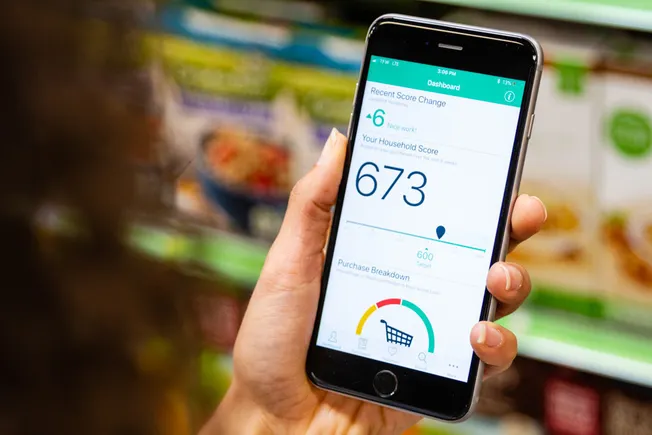
Facing the fragmentation of the U.S. healthcare system and inequities in access to nutrition, Kroger Health, the healthcare division of Kroger, regards "food as medicine" as a key solution.
Kroger executives said in interviews that in building personalized, affordable products aimed at disease prevention, Kroger Health is leveraging a variety of tools, including shelf labels, the OptUp nutrition scoring system, and dietitian consultations.
The company's efforts to strengthen the link between health and food come as the incidence of chronic disease rises in the U.S. Kroger Health President Colleen Lindholz noted that U.S. healthcare spending has alreadyexceeded $4 trillion, yet the quality of healthcarelags behind other high-income countries。
Since the outbreak of the pandemic, many Americans have become more focused on their own health, but economic pressures often force consumers to choose between healthy food and other necessities, said Dr. Marc Watkins, chief medical officer of Kroger Health.
"We've known for years—even before this inflationary economy—that people were struggling to pay rent and transportation costs. Sometimes they would take measures like reducing medication doses," Watkins said.
Although the concept of "food as medicine" hassparked heated discussionin the grocery industry, changing people's eating habits is not easy. In addition, Kroger Health must also properly handle consumer privacy and be sensitive to the connection between food and cultural backgrounds and personal health journeys. Food is personal, which brings both opportunities and challenges for Kroger Health in personalizing food-as-medicine services.
Food as medicine is not a new endeavor for this grocery company. Kroger Health currentlyoffersremote nutrition services, food boxes, a nutrition scoring system called OptUp, and the diabetes prevention program Welsana.

The White House Conference on Hunger, Nutrition, and Health held last week aimed to advance efforts to address diet-related diseases and access to healthy, quality food. Kroger Health executives said they hope the conference will serve as a catalyst for new commitments and broader collaboration between the food and healthcare industries.
Kroger Health has more food-as-medicine programs in development or pilot stages. As innovation advances, Kroger Health is leveraging the company's thousands of healthcare professionals and employees to gather feedback and data.
"We're kind of like a huge laboratory for this country—I mean, Kroger has 500,000 employees," Lindholz said.
The vision of "value-based care"
Kroger Health's vision is to create "value-based" healthcare solutions—aligning incentives with better health outcomes—to complement primary care services.
Andrea Brookhart, director of population health and health management at Kroger, said food as medicine plays a "significant role" in value-based care because it improves food and nutrition security.
"Incentives are not aligned to enable the collaboration, data connections, and efforts needed to help people avoid hospitalizations," Brookhart said.
Kroger Health's holistic health approach includes expectations of prescribing more nutrition and fewer medications. Lindholz said this helps Kroger gain market share among people who need medications while promoting food-as-medicine services.
"We truly believe we have a tremendous opportunity to lead a national health wave that will help [reduce chronic disease] over the next decade."

Colleen Lindholz
President of Kroger Health
However, connecting organizations, industries, and other key stakeholders, raising consumer awareness, and encouraging people to use food-as-medicine services are just some of the challenges facing Kroger and other companies. Kroger Health also takes care to avoid being the "food police," instead helping people make healthier choices through education rather than telling them what to buy, Lindholz said.
"Our food philosophy is: all foods are good, but it's about portion size, sourcing, and the combination of the shopping basket," Lindholz said.
Lindholz said Kroger Health avoids using the term "food as medicine" in consumer-facing settings to avoid deterring shoppers who equate "healthy" with "more expensive."
Five years ago, Kroger Health was established when the grocery company integrated its clinics, pharmacy business, and dietitians to collaborate across the entire company—from merchandising to e-commerce, Lindholz said.

Lindholz has worked at Kroger for 27 years, primarily in pharmacy-related roles, and became president of Kroger Health in April 2017.
Lindholz is from Goshen Township, Ohio (a town with "only one traffic light"), started working in a pharmacy in high school, and originally planned to attend medical school. After her father lost his factory job, she began her pharmacy career while completing pharmacy school.
Her career trajectory is tied to her mother's expectations—her mother, an outgoing gospel singer, wanted to improve the lives of others.
"The first person I helped quit smoking was in 1999, and I'm still in touch with that family... So, I cherish the opportunity to build those relationships, and that's what gets me up every morning," Lindholz said.
Busy behind the scenes
Lindholz said Kroger Health had planned in 2020 to have nutrition technicians in "many" of its stores to interact with customers. After the pandemic hit, Kroger Health pivoted to remote nutrition services, which achieved unexpected success. Lindholz explained that consumers sometimes feel more comfortable talking with dietitians in private, and they can show what's in their refrigerators and pantries.
Taylor Newman, Kroger's director of nutrition, said virtual services are not limited by store networks and have reached all 50 states, enabling the company's dietitians to serve more people, and dietitians also help shoppers who do not shop at Kroger stores.
Kroger Health is currently testing placing dietitians within its pharmacy departments to interact with customers at the pharmacy counter; it is also testing hosting gatherings at in-store bars where people can sip wine, sample healthy snacks, and learn about health and nutrition. While the company is still figuring out the specific format of these interactions, human health connections are at the core of these activities.
"People want to be with like-minded people... So, bringing together people with diabetes, heart disease, or those who just want to be healthier is very beneficial," Lindholz said.
As in-store shopping fully recovers, Kroger Health is still exploring the format of offline services: "Is it more gatherings, or dietitians in every store? Or is it more or less advertising at the store level, and then having customers contact our dietitians online?" Lindholz said.
Kroger has committed to adding 15,000 "healthier items" to shelves by 2025, Lindholz said. Watkins noted that by the end of this year, nearly all products in Kroger stores will have an OptUp score.
Kroger is using its OptUp nutrition scoring system to understand the nutritional value of its private-label products and, under dietitian guidance, has done a "significant" amount of reformulation of its own brands to make them healthier, Lindholz said.
"All the brands Kroger owns are very focused on nutrition. They tell us, 'If there's anything in our products you wouldn't recommend, tell us and we'll improve it—like reducing sugar, reducing sodium,'" Newman said.
Kroger Health has been encouraging suppliers to consider reducing ingredients like sodium and sugar while keeping prices affordable, Watkins noted.

Kroger is partnering with United Healthcare to pilot a community nutrition program with on-site nutrition technicians, Lindholz said.
Kroger Health is also working with food benefit card companies, aiming to build its own food formulary and become what Lindholz calls the nation's first food benefits manager.
Kroger hopes to become the first U.S. retailer to link nutrition scores with electronic medical records, allowing doctors to track patients' diets with patient permission. Lindholz said the company has been advancing this project over the past few years.
"From the doctor's perspective, we've built a platform that sits on top of our fulfillment system, pharmacy, and [The Little Clinic's] electronic medical records, enabling us to embed scores into the EMR," Lindholz said, noting that Kroger is also exploring how to "charge insurance companies."
Kroger said it will work with other grocery retailers to implement the OptUp system "to test and determine whether it can become a national nutrition scoring system," as part of itsWhite House conference commitments. Kroger and Kroger Health also launched a new "Zero Hunger | Zero Waste Innovation Fund" to support new health-oriented solutions.
In the process, Kroger has also faced challenges. For example, OptUp has gone through multiple iterations, Lindholz said. Kroger Health initially tried having doctors write paper nutrition prescriptions and "failed miserably": "We couldn't operationalize it or cover all patients in existing stores," Lindholz said.
Kroger then moved nutrition prescriptions online, with dietitians helping people build shopping carts and providing education, Lindholz said, adding that this digital service is a "better way to execute."
Using data and research to drive innovation
Meggen Brown, chief nursing officer at Kroger Health, said Kroger has been cautious in its public messaging because the company is focused on the impact of its health initiatives on employees.
Kroger Health is leveraging its 500,000-employee workforce to collect data and provide resources. With individual permission, Kroger Health uses data linked to loyalty accounts, analyzed by Kroger's retail data science company 84.51°, Brown said.
From surveys to listening sessions to answering questions on Kroger's internal version of Twitter (Yammer), Kroger has established multiple ways to internally promote health initiatives, Brown said. Kroger also has a health interest group whose dietitians share resources and recipes.
Kroger Health also uses OptUp data to help drive and expand food-as-medicine programs. OptUp is linked to the grocer's loyalty program, meaning the grocery company knows the OptUp scores of the 62 million households in its database, Lindholz said.
Research is another important component. Kroger funded a clinical study at the University of Cincinnati thatevaluated the impact of dietary interventions on primary care patients who shop at Kroger. Currently, Kroger is supporting research to better understand DNA and the microbiome to unlock deeper personalization, Lindholz said, noting that previous research found that healthy bacteria in the gut can predict how people respond to disease.
In conjunction with the White House Conference on Hunger, Nutrition, and Health, Kroger announced it is afounding partnerof the Rockefeller Foundation and American Heart Association's national "Food is Medicine Research Initiative," which will launch next year.
"We truly believe we have a tremendous opportunity to lead a national health wave that will help [reduce chronic disease] over the next decade," Lindholz said.