
How companies provide protection services for high-risk shopping groups
Under the COVID-19 pandemic, high-risk groups defined by the U.S. Centers for Disease Control and Prevention (CDC) face shopping challenges. Multiple grocery chains and startups have introduced measures such as dedicated shopping hours, contactless delivery, and specialized ordering platforms. However, experts point out that existing systems remain incomplete, and some companies like H-E-B and Farmstead are filling gaps through innovative services.
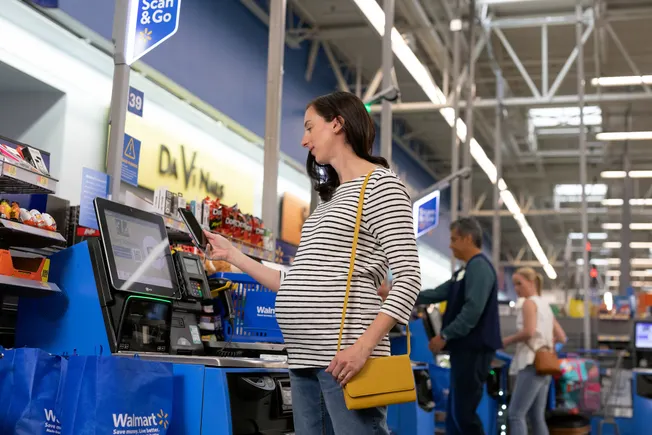
In response to the COVID-19 pandemic, many U.S. grocery retailers have taken steps to protect high-risk individuals as defined by the Centers for Disease Control and Prevention (CDC). The most common practice has been to set aside early morning shopping hours exclusively for the elderly, pregnant women, people with disabilities, those with weakened immune systems, and individuals with underlying health conditions.
However, this system is not perfect, as many high-risk shoppers are unable or afraid to go to physical stores, and online shopping is often not feasible due to technical limitations, long wait times, and limited ordering windows. Health experts and even some supermarket chains have alsoquestionedthe wisdom of having high-risk groups gather in the aisles at the same time.
In response, a growing number of companies—from bootstrapped startups to large grocery chains—have developed alternative services and workarounds to meet the needs of high-risk shoppers.
Prioritizing high-risk customers
In addition to in-store dedicated hours, a growing number of retailers have reserved curbside pickup slots specifically for high-risk shoppers, including Walmart, Whole Foods, and Hy-Vee. Walmart's service is accompanied by marketing materials aimed at new customers, including YouTube tutorial videos and pop-up assistance messages on its grocery homepage.
Contactless delivery and curbside pickup are ideal options for high-risk shoppers in many ways. However, grocers are facing a surge in online orders, which affects their ability to fulfill them in a timely manner. Moreover, not all elderly and disabled individuals are able to drive to stores.
To address this, some companies have set aside product packages and online services specifically for high-risk shoppers. In March, H-E-B launched adedicated delivery servicefor people aged 60 and older, offering a limited selection of products that seniors can order by phone, through the H-E-B app, or on its website. H-E-B arranged for volunteers to answer calls, and Favor handles delivery within hours. California-based Raley's, meanwhile, sells two types of "essentials" bags to seniors, containing groceries and fresh produce.

Bill Bishop, chief architect at Brick Meets Click, said Favor's delivery service has doubled its geographic coverage during the pandemic. He mentioned H-E-B and Trader Joe's as two grocers that stand out in serving high-risk customers, with the latter imposing strict limits on the number of customers allowed in stores at one time.
"Simply expanding delivery opportunities makes the shopping experience more attractive for high-risk customers," Bishop told Grocery Dive.
Peter van Stolk, CEO of Canadian online grocer Spud, said it is challenging for grocers to provide timely service to high-risk shoppers if they use the same e-commerce resources as for regular customers. Last month, Spud launched a separate delivery service offering boxed products containing essentials such as pasta, oatmeal, and fresh fruit. The service uses a dedicated website and operates from two new warehouses in Vancouver and Calgary, open to all shoppers in both cities, but offered at cost to frontline workers and high-risk shoppers.
van Stolk said institutions such as hospitals and non-profits sign up with Spud, which then provides electronic ordering codes and coupons to individuals who wish to use the program. He said working with institutions allows Spud to reach more groups in need of essentials, while the ordering codes ensure the company precisely meets demand.
Shoppers are also using the service to send food boxes to others, with a portion of each purchase donated to community organizations.
"People are buying food boxes for friends and loved ones who are in quarantine," van Stolk told Grocery Dive.
Pradeep Elankumaran told Grocery Dive that his online grocery service Farmstead has seen a large influx of new customer registrations, including many who are considered high-risk by the CDC.
While opening up more delivery slots, Farmstead has put all new customers on a waiting list. But high-risk shoppers are prioritized. Elankumaran said the e-commerce company uses an honor system for verification because it does not want shoppers to feel uncomfortable disclosing why they are high-risk.
"It's clear there is a segment of the population that needs to be served differently. It's almost a sense of moral obligation," he explained.
Third-party services and international grocers
To improve the experience for elderly shoppers, some companies and organizations that previously did not operate in the grocery space have launched new delivery services that connect with retailers, simplifying the shopping process for seniors.
Go Go Grandparent, a ride management program that calls Lyft and Uber rides for elderly clients, recently expanded into grocery delivery. Co-founder Justin Boogaard told Grocery Dive that the company had planned to launch its grocery program within the next twelve months, but the pandemic accelerated the rollout. Its grocery program provides seniors with household essentials such as food and cleaning supplies.
Go Go Grandparent partners with grocery retailers and delivery companies such as Amazon, Walmart, Instacart, and Shipt, placing orders on behalf of clients and choosing the most convenient or earliest delivery time.
"We try to keep track of customer needs, especially sensitive items like incontinence products. Customers make sure we are aware so that products are delivered automatically when needed," Boogaard said.
If a pickup slot is earlier than a delivery slot, Go Go Grandparent arranges for an Uber or Lyft driver to pick up the order and deliver it to the shopper's location.
"It's clear there is a segment of the population that needs to be served differently. It's almost a sense of moral obligation."
——Pradeep Elankumaran, co-founder and CEO of Farmstead
Boogaard said the dedicated morning hours many grocers have set aside for seniors are a good option for people aged 60 to 75. But most of Go Go Grandparent's clients are over 75, and they often cannot or do not want to go to stores.
As online grocery services struggle to meet demand, a wide range of organizations and individuals—including police officers and high school students—have stepped in to provide home delivery for high-risk consumers. Students at Roosevelt High School in Portland, Oregon,created a free servicewhere seniors can call in orders, which are fulfilled by local grocers. The on-demand transportation service in West Hollywood, California,now offers free delivery from Gelson's, Pavilions, and Sprouts Farmers Market。
Meanwhile, overseas grocers have dedicated additional store hours, supply chain bandwidth, and e-commerce services to high-risk shoppers and frontline workers. Laura Jacobson, head of retail insight at IGD in the UK, told Grocery Dive in an email that in Britain, chains have set aside shopping hours not only for the elderly and high-risk shoppers, but also for National Health Service (NHS) staff and social workers. Jacobson explained that they allocate different days to different groups to avoid contact with high-risk individuals.

Jacobson added that overseas grocers have also simplified in-store payment processes during the pandemic. For shoppers whose groceries are picked up by friends, family, or neighbors, Asda offers gift-card-style e-cards that can be purchased online and sent to high-risk shoppers' email addresses.
In Australia, Woolworths has designated 41 of its nearly 1,000 stores as "priority fulfillment hubs" that handle online orders specifically for high-risk shoppers. These stores close early each day to pick and pack orders for the elderly, people with disabilities, and immunocompromised customers.
UK-based Sainsbury's offers high-risk shoppers priority access to delivery slots. But unlike grocers such as Farmstead, Sainsbury's does not rely on an honor system. It verifies high-risk and elderly shoppers with government assistance and has opened a phone hotline for customers who struggle with digital ordering.
Bishop believes international grocers have advantages that U.S. grocers do not. He said the grocery industry in most other countries is more consolidated, and companies have more financial resources to invest in dedicated services, not to mention a large base of elderly shoppers loyal to chains.
"Most U.S. retailers focus on running their stores well. That's their signature, and that's what they're good at," Bishop said.
Similarly, van Stolk praised grocers in the U.S. and Canada for offering dedicated store hours and additional customer support to high-risk shoppers. While his company has the technical backend and customer demand to support a separate temporary service, he acknowledged that not all retailers have the capacity to do so.
"Every business has its own assets, and they are doing their best to leverage them," van Stolk said.
Jeff Wells contributed reporting to this article.