
How Grocers Are Filling the Dining Gap Amid the Pandemic
With the pandemic closing restaurants and surging demand for home dining, grocers are filling the gap by expanding takeout, pickup, family meal kits, and cooking content. H-E-B partners with local restaurants, Hy-Vee offers hot food pickup and holiday meal kits, and Harmons provides convenient ingredients and recipe guidance. Industry experts believe this could reshape consumer dining habits and earn long-term loyalty.
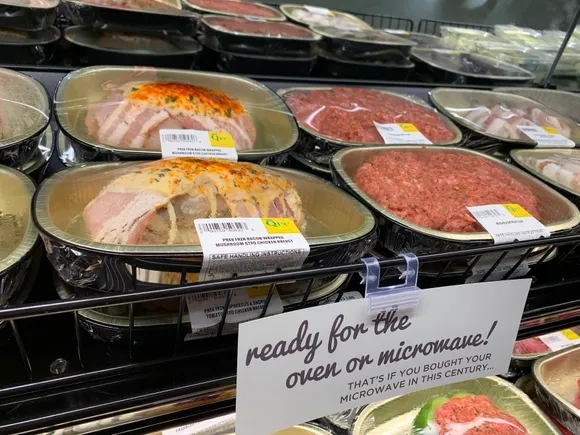
In recent years, grocers have worked to win more mealtime customers, renovating theirprepared foods sections, introducing innovative in-storedining concepts, and experimenting withmeal deliveryto attract more shoppers. However, winning consumers away from experienced foodservice operators has always been challenging, as before the pandemic, more Americans were eating out than ever before.
The COVID-19 pandemic upended the dining landscape Americans once knew, giving retailers more attention, and they are developing creative ways to reach a growing population cooking at home, as well as those still seeking easy answers to the age-old question of "what's for dinner."
Restaurant restrictions and increased time at home left a huge gap in consumer dining demand, and grocers say they are well-positioned to fill it.
Filling the void left by restaurants
The shift seemed to happen overnight. One day restaurants were open, and the next, dine-in service quickly closed, with business shifting to takeout or pickup only, and many restaurants shutting down entirely.
Grocers were hit as well, with their carefully crafted in-store restaurants and dining concepts forced to close due to safety precautions, along with full-service bars and deli counters. However, both retailers and consumers have adapted.
Barb Stuckey, president and chief innovation officer at food development company Mattson, and John Connelly, the company's vice president of innovation, noted that there is a huge opportunity for grocers that have preparation facilities and existing infrastructure to offer customized meal pickup or delivery.
Stuckey told Grocery Dive in an interview that she believes the pandemic may cause a major shift in how consumers view restaurants and restaurant meals. If grocers have the chance to offer restaurant-quality takeout meals from their own stores, they can stand out.
"If I were a grocery operator, I would lean into this," Stuckey said.
"If the grocery channel can go beyond Whole Foods, Kroger, Hy-Vee, Wegmans, I think they can be a major player in this space."

John Connelly
Vice President of Innovation at Mattson
Connelly said it is crucial for grocers to focus on both made-to-order and grab-and-go options, meals that customers can take out or have delivered and eat off-premises.
"Restaurants will certainly come back, but there will be a void for a period of time, and if the grocery channel can go beyond Whole Foods, Kroger, Hy-Vee, Wegmans, I think they can be a major player in this space," Connelly said.
Some grocers have already refined their efforts around off-premise meals. For example,H-E-Bhas partnered with local restaurants in San Antonio and Houston to bring their prepared meals into some stores. This not only helps restaurants stay in business, but also allows H-E-B to supplement its prepared food offerings with restaurant-quality takeout meals.
In the Midwest, Hy-Vee justlaunched free curbside pickup of hot mealsas well as take-and-bake products. CEO Randy Edeker told Grocery Dive that the service covers a variety of Hy-Vee dining options, including its Hickory House menu with barbecue and traditional comfort foods, Asian and hibachi, pizza, and dishes from Hy-Vee Market Grille.
In-store dining, made-to-order and prepared foods are core to Hy-Vee's business. Edeker said when in-store dining areas closed due to the pandemic, the company ramped up its delivery and takeout operations to continue serving customers. In addition to curbside pickup, Hy-Vee also partners with DoorDash for meal delivery.

"In-store dining has been a big part of our company for decades, so I think customers are used to buying meals from us to take home and cook," Edeker said.
Another key focus is shifting to family-style meals for two to four people. Edeker said the grocer is rolling out a basic four-person meal kit for $19.99, and the response so far has been very positive.
During Easter, Hy-Vee also offered Easter takeout meals, similar to the meal kits it provided for Thanksgiving and Christmas. Edeker said Easter meal sales this year were more than six times what they were last year.
"We're planning meals around other holidays because think about Memorial Day, the Fourth of July, what that's going to look like," Edeker said. "Even graduation season — I've been challenging my team on that too."
The revival of home cooking
With most Americans staying home, the trend of buying ingredients and cooking at home is also on the rise. According to anew reportfrom marketing company Hunter, 54% of Americans say they are cooking more now, and 46% say they are baking more.
Marc Rousset, a partner at consulting firm Oliver Wyman focused on retail and consumer goods,recently wrotethat the outbreak of COVID-19 means home cooking, which had been on the decline, will make a comeback. Additionally, ina recent study, Oliver Wyman found that 37% of American respondents said they are spending more on groceries than before.
Rousset told Grocery Dive that in the past, grocery retailers focused on selling fresh ingredients, leaving meal planning, pairing and cooking to consumers. But now, as more people start cooking and seek solutions to simplify meals, grocers can offer more value through categories like pre-cut vegetables, portioned marinated meats, or take-and-bake meals.
"If you can simplify any of those steps, there's an opportunity to have some kind of play after the pandemic," Rousset said.

Adding value for customers and helping them cook more at home has been a focus for Harmons, an independent grocer in Utah, in recent weeks. Although the grocer chose to close its meat department service counters during the pandemic, it still offers "quick-to-fix" products designed to help shoppers get meals on the table faster.
"A lot of these products were previously only available behind the service counter, so we've actually packaged many of them in grab-and-go form so customers can still get those options, just in a slightly different package," Harmons nutritionist coordinator Jonnell Masson told Grocery Dive.
Fresh soups are now sold in grab-and-go family-size containers, and the deli department recently launched "meal builders," side dishes like roasted vegetables, balsamic mushrooms and dirty rice, to pair with a main to complete a meal.
In the Hunter report, 60% of respondents said they are looking for recipes to use ingredients they have in their pantry or fridge. Masson said that's what Harmons is working to address, because after panic buying, many people have well-stocked pantries and shelf-stable foods.
"Now I think people have calmed down a bit, and they want to make something better with those ingredients," Masson said.
For example, some people have ingredients they've never used and want to know how to cook them; or they've stocked up on ramen and want to know how to make it healthier.
To help, Harmons is posting short tips and blog posts about cooking on its website and social channels, with a nutritionist's perspective on healthy advice. They are also offering recipe cards at checkout lanes in stores that work with pantry ingredients, and producing videos led by chefs from Harmons' cooking school, providing basic skills and how-tos for kids and adults. These videos are available on Harmons' website and social media channels.
"The drive for people to cook at home is very strong."
Randy Edeker
CEO of Hy-Vee
Hy-Vee is also catering to home cooks through its Helpful Smile TV channel, which has accumulated nearly 7 million views since launching in 2018. The company is currently adding recipe and how-to videos to help customers cook, and is producing a new show about baking different foods. According to Edeker, website traffic is up 222% year over year as people watch the how-to videos.
"The drive for people to cook at home is very strong," he said.
Whether consumers want hot meal delivery, or want to make a simple dinner or a cooking masterpiece at home, grocers are working to cover all the bases. While people will eventually return to life outside the home, the more important role grocers have played in consumers' lives during the pandemic could win their loyalty at mealtime for the long term.