
US Grocers Step Up Training and Health Protection for Frontline Workers During Pandemic
The COVID-19 pandemic has caused panic buying at US grocery stores, prompting retailers to urgently hire more staff and strengthen health protections. This article explores recruitment challenges, employee safety measures, and training strategies.
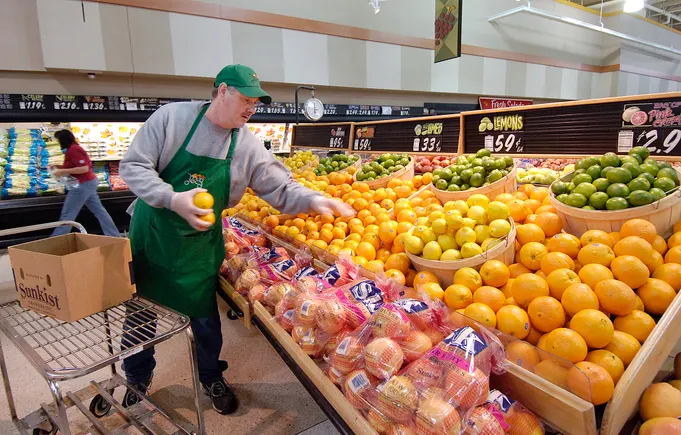
Shelves were stripped bare, apps crashed from overload, and checkout lines snaked around the perimeter of stores. These scenes, weeks after panic buying triggered by the COVID-19 pandemic began, have become a familiar sight for grocery retailers across the United States. This is driving an urgent need formore employeesto keep stores running, assist with order fulfillment and delivery, and clean around the clock.
Under normal circumstances, Matt Lutcavage, chief human resources officer at The Giant Company, told Grocery Dive that Giant and Martin's stores typically hire six to 12 team members at a time for a single location, usually filling positions like cashiers, deli clerks, and shelf stockers. Now, during the outbreak, hiring needs have risen sharply. Lutcavage said, "In just the past few weeks, our hiring needs have grown almost exponentially."
The company operates supermarkets in Pennsylvania, Maryland, Virginia, and West Virginia, regions that are all seeing COVID-19 cases rise and arestrengthening social distancing measures. The retailer is trying to hire 24 to 30 people per store to handle increased volume and maintain operations, and its Giant Direct fulfillment centers need up to 24 additional hires to support current online order demand.
"From a company-wide perspective, we are certainly looking for thousands of employees," he said.
Are people willing to work in grocery stores?
As recommended or mandatory closures of non-essential businesses spread across the U.S. during the pandemic, grocery stores have become a bright spot for people who have lost jobs or had hours cut in industries like apparel retail, travel and tourism, restaurants, and bars.
In Miami, the Hispanic grocery chain Sedano's Supermarkets partnered with two local restaurants to provide temporary work for restaurant employees whose hours were cut when their employers shifted to takeout and delivery only. Sedano's said in a press release it would add up to 400 part-time and full-time positions across its stores.
But can grocers find job seekers willing to interact with the public and take on exposure risk? And are they willing to accept positions that may be temporary?
According to Chris Kelly, vice president at Connors Group, which advises retail clients on labor and workflow management, the stark reality is that many people need work, or will soon need work, even if it exposes them to some risk.
"Doing a part-time job, and one where we really don't know how long it will last, might be better than the alternative of not working," Kelly told Grocery Dive.
"The fear of not having a job is quite strong and dramatic, especially in the economically difficult times we are entering."

Marissa Baker
Director of the Industrial Hygiene Program at the University of Washington
Marissa Baker, assistant professor and director of the Industrial Hygiene Program at the University of Washington, agreed. In an interview with Grocery Dive, she noted these jobs are on the front lines and are essential services.
"For many people, the scarier part is not having a job. This could in turn lead to the idea of 'presenteeism,' where people come to work when they are sick, when they shouldn't be coming to work," she said, noting that even those with paid time off might come to work sick.
"The fear of not having a job is quite strong and dramatic, especially in the economically difficult times we are entering," Baker noted.
Lutcavage said Giant is not currently lacking job applicants; in fact, interest in working is soaring.
"In many cases, people are going directly to management, and we are conducting on-the-spot interviews as much as possible," he said. The Giant Company is widely advertising that it is hiring and reassuring applicants that even if their interest is temporary, Giant still wants to hire them.
Unemployment numbers in the U.S. and in The Giant Company's operating areas are climbing rapidly. The New York Times reported that Pennsylvania receivedmore than 180,000 unemployment insurance claims in the past few days。
"We will find you temporary work in areas like the front end, stocking, and e-commerce," Lutcavage said.
Keeping new and existing employees safe at work
Ultimately, as multiple grocery companies hire from the same pool of workers, the flow of applicants could tighten. Baker said that in this scenario, one way to attract job seekers to one company over another is not only to offer paid sick leave, but also to enable employees to actually take it.
"Make sure people not only have paid sick leave, but that they are actually taking it and not facing any consequences or stigma," she said.
To keep employees safe and healthy, Baker recommends employers stagger start and end times to avoid large groups arriving and leaving at the same time. Staggering break and lunch times is also important, as is giving employees more frequent but shorter breaks so they can wash their hands regularly and reset.
In addition to increasing staff numbers, grocers also need to provide relief for existing employees who are sick or exhausted. The Giant Company has implemented a lenient attendance policy that allows those who feel unwell or are concerned to stay home. Lutcavage said Giant is beginning to see some absences due to concern, self-isolation (due to high risk or feeling unwell).
"We are obviously urging people to stay home, and we also need to backfill the gaps they leave," he said.
Mercato, which provides e-commerce support for independent and specialty grocers, works with retailers that are more thinly staffed than big supermarkets because they inherently have fewer employees. Mercato CEO Bobby Brannigan recently told Grocery Dive that he has seen some businesses close for a day because employees needed a day off, not because they needed more products.
"They are so tired because they have been working 12-hour days for seven consecutive days," he said.
Burnout is also a real issue for salaried store managers. Giant just implemented a four-day workweek for store managers—four days on, three days off—to ensure they can rest and recover.
"This is a group that is critical to running our stores, so we announced this best practice earlier this week," Lutcavage said.

Baker said another important aspect of keeping grocery employees safe is ensuring they know they don't have to put themselves in uncomfortable situations if they feel unwell. For example, if a delivery driver delivering to a home doesn't feel comfortable knocking on the door for any reason, they should not be expected to do so.
In addition to the continuous cleaning and sanitizing measures many grocers have already implemented, organizations should also ensure their ventilation systems are functioning properly, said Mike Cooper, a certified industrial hygienist and adjunct professor at Boise State University. He mentioned that he knows of some companies that have begun pumping outdoor air into buildings rather than recirculating indoor air. It's a more expensive option, but it is an option.
Cooper also noted that stores should ask customers to stop bringing their own bags, because while it is more environmentally friendly, data from China suggests COVID-19 may be transmitted via paper or plastic, which could put both shoppers and employees at risk.
"Provide employees with good, simple guidelines," Cooper said. "You don't have to be a health expert to handle these issues and decide how to respond. Then it becomes part of training, so people feel more at ease when dealing with the public."
Training temporary employees
Most grocery companies have standard training processes and onboarding procedures under normal circumstances. But as hiring accelerates during the pandemic, Kelly said the acclimation period typically used to train on policies, procedures, and customer service may not be necessary now.
"I think what grocers need help with right now is the basic work," he said. "Getting product on shelves and bagging. These two activities don't require much training, don't need to be perfect, don't need to know everything in the store."
Baker cautioned grocers not to rush the onboarding process too much and to ensure new employees receive safety training. This includes making sure training is actually happening and is conducted in small enough groups that employees can maintain social distancing.
"Getting product on shelves and bagging. These two activities don't require much training, don't need to be perfect, don't need to know everything in the store."
Chris Kelly
Vice President at Connors Group
"When you are hiring large numbers of people quickly, it is hard to ensure they all get proper training because there is a lot of pressure, 'We have to get them working, get them stocking, get them delivering,'" Baker said.
The Giant Company is offering new employees a streamlined version of its typical onboarding process, Lutcavage said. This includes completing necessary paperwork, ensuring new employees understand their roles, and getting them activated.
"But I think what's important for us is that one thing we can't cut corners on is that if they come to work for us, they should feel like they are part of the family," Lutcavage said.
Lutcavage said that in a time of uncertainty, providing employment opportunities to people who need work during the crisis is a significant responsibility for The Giant Company.
"We can play a role that goes beyond just providing food."