
Deep Dive
来自我们记者的行业洞察
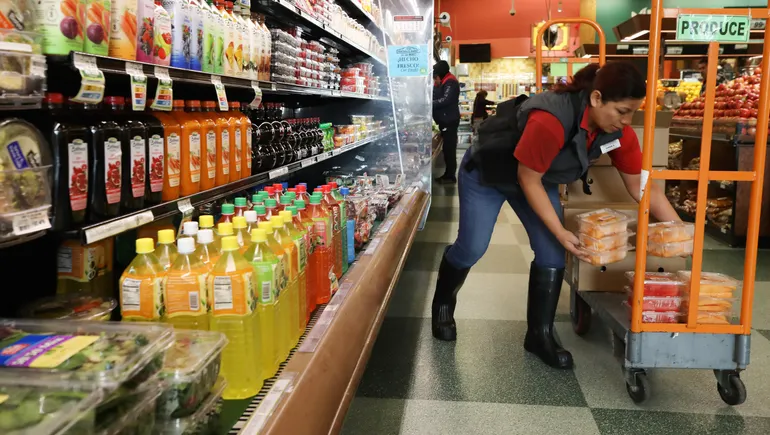

Personalized health programs enter US supermarkets: from nutrition centers to digital tools
US supermarket chain Heinen's has opened personalized nutrition centers in its stores, offering blood and urine tests and customized dietary advice, while retailers such as Schnucks and Kroger have launched digital health tools, as the industry explores deeper integration of food and healthcare.

Retail Media Network Expansion: How to Avoid Repeating the Mistakes of Digital Advertising?
Retail media networks are experiencing a boom, with giants like Walmart, Target, and Kroger entering the fray, expected to attract more consumer packaged goods advertising budgets. However, the industry faces challenges such as ad overload and technological shortcomings, and how to avoid repeating the mistakes of digital media during rapid expansion becomes key.
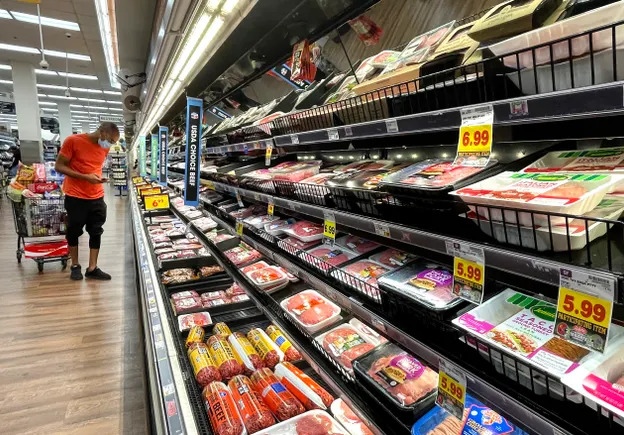
How Are Grocers Responding to the Dual Pressures of Inflation and Supply Chains?
U.S. grocers, under the dual pressures of inflation and supply chain disruptions, are adopting strategies such as increasing private labels, local sourcing, and selective price cuts. However, consumers have limited tolerance for price increases and out-of-stocks and may switch to other retailers. Experts advise retailers to remain agile, use technology to optimize pricing, and monitor shifts in consumer price sensitivity.
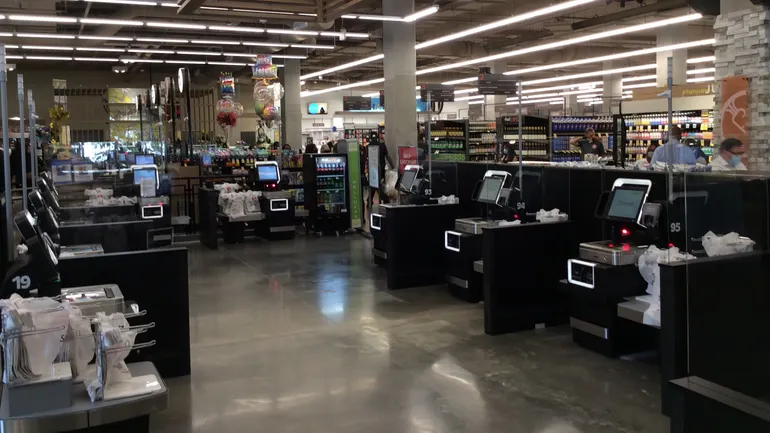
Labor challenges persist, retail accelerates adoption of automation
Persistent labor shortages are driving grocery retailers to accelerate the adoption of automation technologies, covering self-checkout, dynamic pricing, inventory management, and more. Industry experts note that automation can improve efficiency, but human workers still play a crucial role in problem-solving and customer experience.

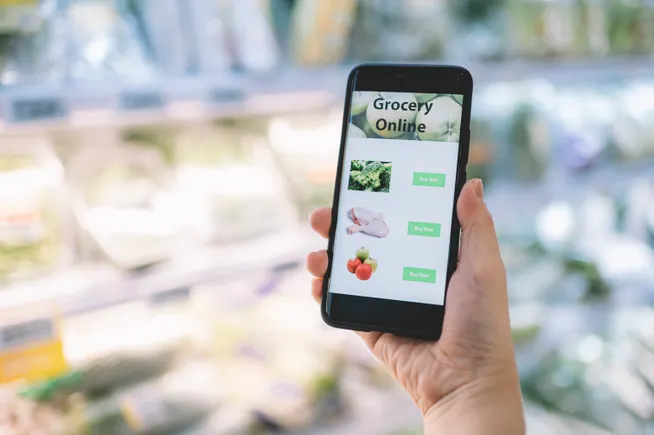
Grocery Retailers and Brands: The Difficult Dance of Online Collaboration
The rapid expansion of online grocery retail has heightened collaboration tensions between retailers and consumer packaged goods (CPG) suppliers. From product descriptions and image formats to data ownership, both sides repeatedly grapple with cumbersome and inconsistent listing processes. Through the perspectives of executives from multiple companies, this article analyzes the underlying causes and potential solutions behind this 'difficult dance.'
Seven Trends Reshaping the Grocery Industry in 2022
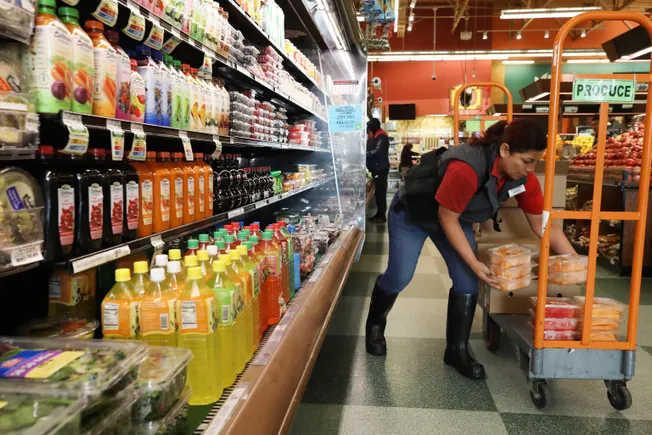
In 2022, the grocery industry faces multiple challenges, including supply chain shortages, high inflation, and labor market adjustments. At the same time, industry experts note that demand for at-home meals remains higher than pre-pandemic levels, presenting opportunities for grocers. Based on forecasts from several industry executives and consultants, this article summarizes seven trends: expansion of rapid delivery, adoption of automation, utilization of consumer data, enhancement of meal solutions, growth of retail media networks, acceleration of premium products, and expansion of B2B operations.
How Retailers Are Driving the Modernization of the Center Store
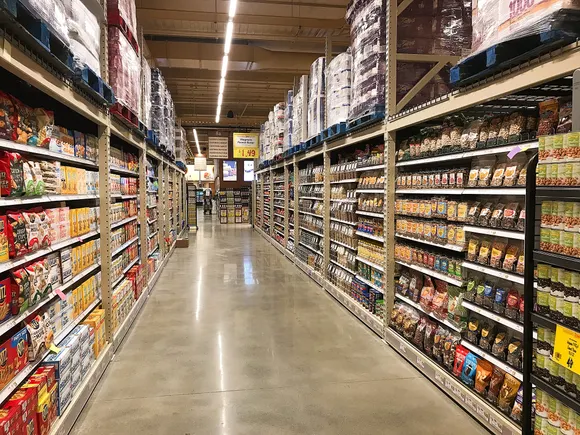
The pandemic boosted certain categories, but e-commerce and new consumer habits are forcing grocers to explore center store upgrades. This four-part series, based on retailer and consumer surveys conducted with Inmar Intelligence, analyzes the current state of the center store and innovation strategies, covering topics such as local products, e-commerce personalization, and store design.

Grocery Retailers Chase E-commerce Personalization Promises: From Loyalty Programs to AI-Driven Shopping Experiences
Amid the impact of e-commerce, grocery retailers are strengthening customer relationships through personalization strategies. Giant Food draws on hospitality industry experience, using loyalty programs to offer customized deals; pure-play e-commerce companies like Misfits Market and Farmstead rely on machine learning to create tailored shopping experiences. Industry surveys show that only 9% of consumers use local grocery e-commerce services to purchase center-store items, while nearly 70% turn to platforms like Amazon and Walmart. Experts emphasize that personalization must balance technology with a human touch to address competition and rising consumer price transparency.