
Deep Dive
来自我们记者的行业洞察

E-commerce grocery shopping lacks a sense of discovery; how can grocery retailers break through?
Although online grocery shopping is convenient, it often feels monotonous due to a lack of a sense of discovery. Industry experts point out that most retailers remain at the stage of transactional platforms, failing to fully utilize data and AI for personalized recommendations. This article analyzes the practical cases of several pioneers and proposes directions for improvement.

Four U.S. Grocery Markets to Watch in 2020
Despite the continued growth of e-commerce, physical stores remain a focus for food retailers. In 2020, multiple U.S. markets will see new store openings, format innovations, and intensified competition. This article focuses on four regions—Charlotte, Washington D.C., New Jersey, and Southern California—analyzing their competitive landscapes and retailer movements.
Six Trends to Watch in the Grocery Industry in 2020
In the nearly three years since Amazon acquired Whole Foods, grocers have been forced to test and invest at a faster pace than expected. Now they are gradually finding their footing, delivering a better shopping experience for consumers. In 2020, retailers will focus on expanding several of the most promising services and technologies to gain a competitive edge in food retail over the next decade.

From Food Courts to Ghost Kitchens: A New Collaborative Menu for Grocers and Dining Brands
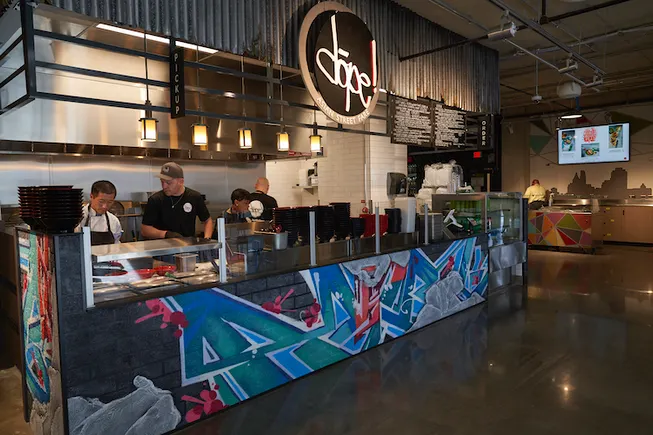
Facing intense competition in the food service sector, some grocers and restaurants are choosing to partner rather than compete. From ShopRite in Philadelphia introducing Saladworks, to Kroger opening in-store locations with Tony Packo's, to Peapod collaborating with renowned chefs on meal kits, both sides are leveraging their strengths to create better meal solutions across physical and digital channels. Industry experts note that successful collaborations can disrupt routine shopping behavior and offer one-stop convenience, but they also face challenges such as differing operational models and food safety standards.
Restaurant brands accelerate expansion into ready-to-eat meals, challenging supermarkets' 'grab-and-go' advantage
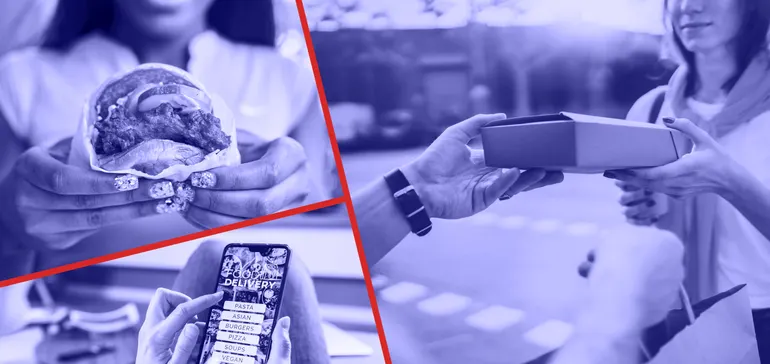
Restaurant brands are challenging supermarkets' traditional advantage in the grab-and-go segment by increasing their offerings of pre-made ready-to-eat meals. From Starbucks to Panera, Pret A Manger, and the emerging Foxtrot model, the industry landscape is evolving. Experts believe this poses a real threat to supermarkets, but supermarkets are also actively responding through innovative store formats and partnership strategies.
Exploring the Future Prospects of the Gig Economy in Grocery Retail
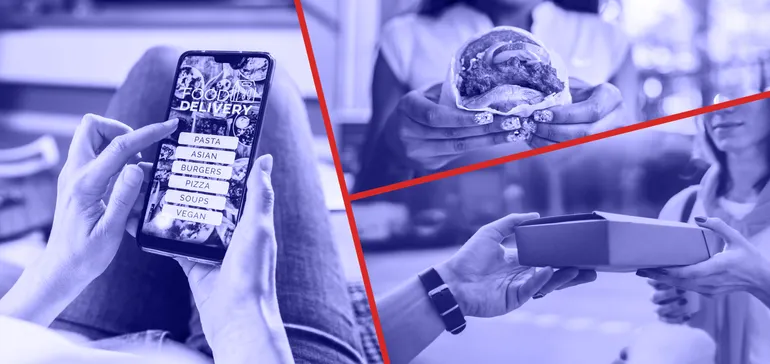
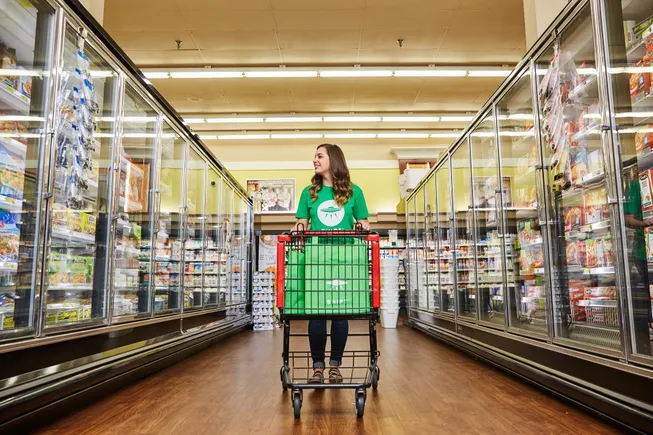
The gig economy is becoming deeply embedded in e-commerce fulfillment and store operations in grocery retail, but faces uncertainties such as high turnover, legal compliance, and automation substitution. This article combines industry cases and expert opinions to analyze its sustainability.

Are tech talents uninterested in the grocery industry? The truth may not be so
As the digital transformation of the grocery industry accelerates, retailers face the challenge of competing with tech giants like FANG for technical talent. This article explores how grocers attract and retain tech talent through strategies such as remote work, creating creative office spaces, and partnering with universities.
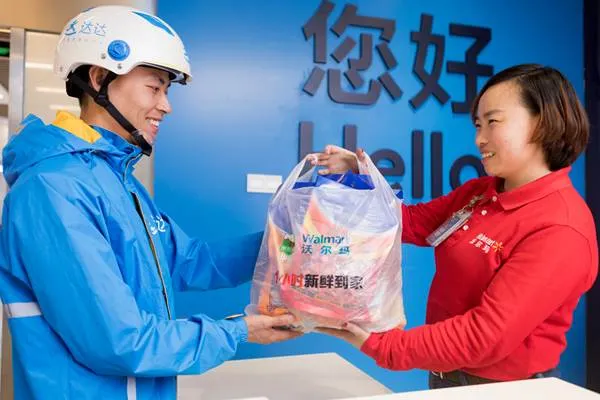
The Differentiated Evolution of Walmart's Global Last-Mile Delivery Strategy
Walmart's US e-commerce CEO Marc Lore proposed a globally unified vision of employee en-route delivery in 2017, but two years later, the US had achieved in-home delivery, while last-mile strategies in other global markets exhibited notable differences.

From BJ's to ButcherBox: A Retired Retail Executive Finds a Second Career at a Startup
After 25 years at BJ's Wholesale Club, Mike Billings could have enjoyed retirement, but a LinkedIn message brought him back to the workforce, joining online meat subscription startup ButcherBox to use his 40 years of industry experience to help this young company reshape its supply chain.