
Deep Dive
来自我们记者的行业洞察

Outlook on the Grocery M&A Wave: Opportunities and Challenges Amid Industry Consolidation Trends
Industry analysts point out that the U.S. grocery sector has entered a consolidation phase. Although the Kroger and Albertsons merger faces uncertainty, it serves as a warning for all operators to adapt to change. Regional and mid-sized chains, wholesalers, and specialty retailers each face distinct M&A opportunities and challenges, while ancillary revenue areas such as retail media may become new hotspots.
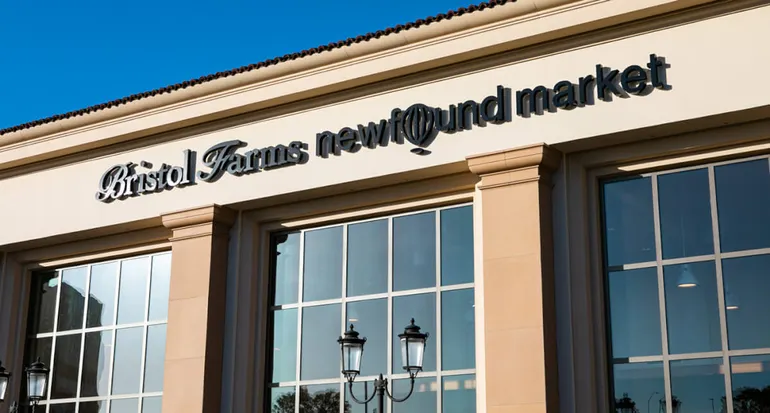
Good Food Holdings Envisions the Next Generation of Premium Grocery Stores
Good Food Holdings, headquartered in Carson, California, is dedicated to bringing a premium, personalized shopping experience into the digital age. The company, which owns premium brands such as Bristol Farms, Lazy Acres, and New Seasons Market, is currently testing innovative technologies like smart shopping carts and electronic shelf labels to create 'connected stores.' Despite facing capital and labor constraints, the company is gradually realizing its digital vision through multi-brand collaborative testing.
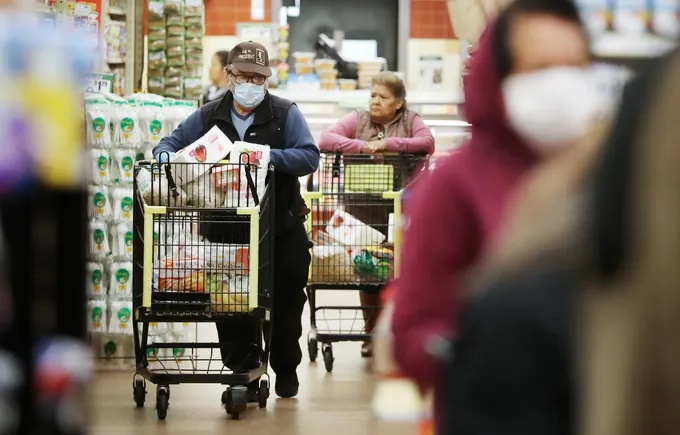
Organized retail crime continues to rise—how are grocers responding?
Organized retail crime (ORC) is becoming a major driver of losses in the U.S. retail industry, causing nearly $100 billion in losses each year. Giants such as Walmart, Target, and Kroger are all affected. In response to this trend, grocers are establishing dedicated ORC investigative teams to collaborate with law enforcement in dismantling criminal networks, while also introducing smart anti-theft devices and new-style unlockable display cases to strike a balance between ensuring security and maintaining a positive shopping experience.
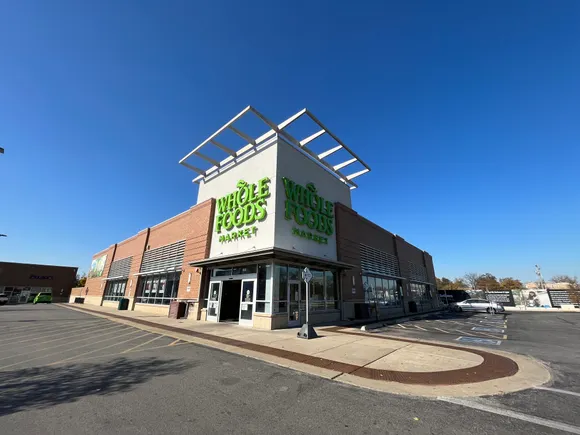
Whole Foods Market Withdraws from Chicago's Englewood Community: Lessons for Food Retailers
Whole Foods Market closed in early 2022 after operating for six years in Chicago's Englewood community, sparking strong community backlash. This article reviews its entry background, operational controversies, and exit impact, providing references for food retailers on site suitability, community integration, and exit communication.
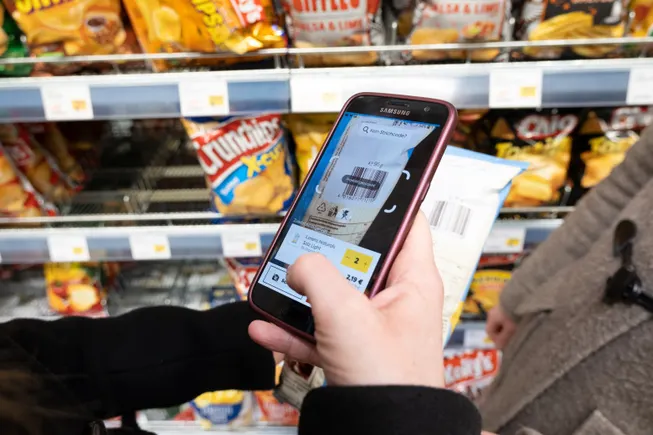
U.S. Grocers Weigh the Pros and Cons of Scan-and-Go Technology
Scan-and-go technology has sparked a polarized response in the U.S. grocery retail industry: Wegmans halted the service due to shrinkage issues, while retailers like Meijer and Walmart continue to implement it. This article analyzes the technology's loss prevention challenges, consumer trust issues, and future direction.
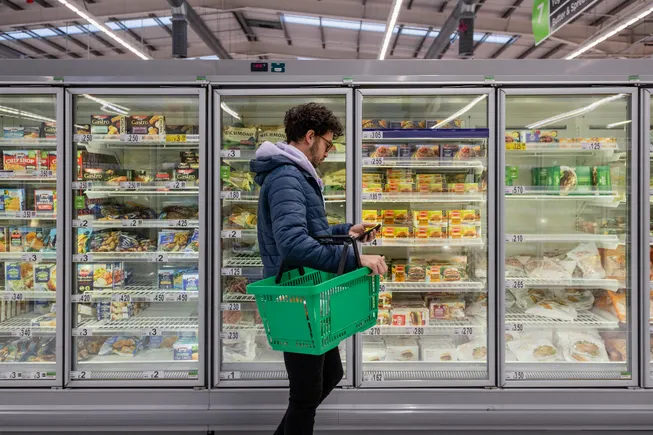
8 Major Trends the Grocery Industry Will Embrace in 2023
Based on interviews with industry experts, this article outlines eight key trends affecting grocery retailers in 2023, covering inflationary pressures, personalized marketing, e-commerce growth, in-store experience upgrades, retail media challenges, private label development, and M&A activities.
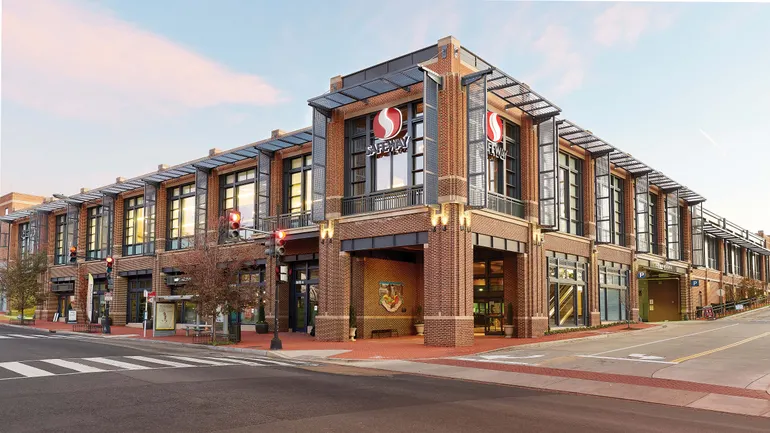
Kroger and Albertsons Merger: Will It Pass Regulatory Scrutiny?
Kroger plans to acquire Albertsons for $24.6 billion, but the deal must pass strict review by the U.S. Federal Trade Commission (FTC). Experts note that the review will focus on whether the transaction truly benefits consumers, whether it suppresses market competition, and whether the proposed efficiency gains can be realized. The definition of market competition, the inclusion of rivals like Walmart, the feasibility of divestiture plans, and FTC Chair Lina Khan's skepticism toward large mergers may all influence the outcome of the deal.
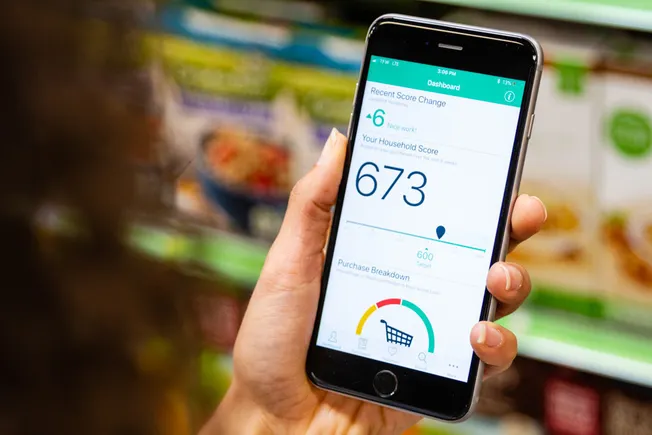
Kroger Health: Strategic Practice of Using Food as Medicine
Kroger Health is treating food as medicine, addressing the challenges of high chronic disease rates and healthcare spending exceeding $4 trillion in the U.S. through initiatives such as the OptUp nutrition scoring system, dietitian consultations, and remote nutrition services. The company plans to stock 15,000 healthier products by 2025 and is exploring embedding nutrition scores into electronic medical records, aiming to become the first food benefits manager in the United States.
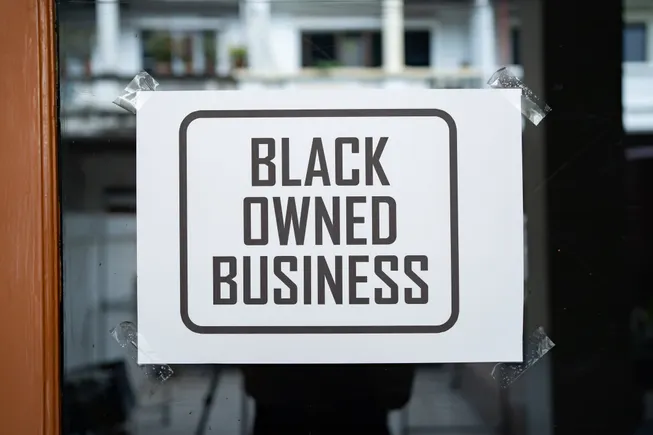
How Black-Owned Grocery Stores Are Filling Industry Gaps
Across the United States, a wave of Black-owned grocery stores is emerging, focusing on healthy organic foods, introducing cashierless technology, or building ethnic food e-commerce platforms to respond to community needs and drive industry innovation. These entrepreneurs often start as micro-enterprises and, lacking generational succession, are reshaping the food retail landscape through community collaboration and differentiated positioning.