
Deep Dive
来自我们记者的行业洞察
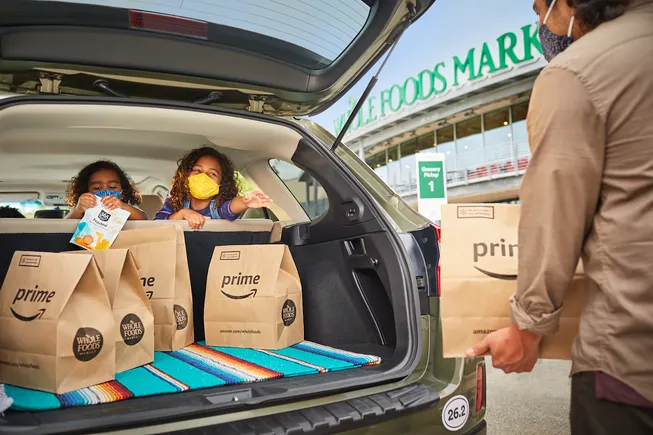
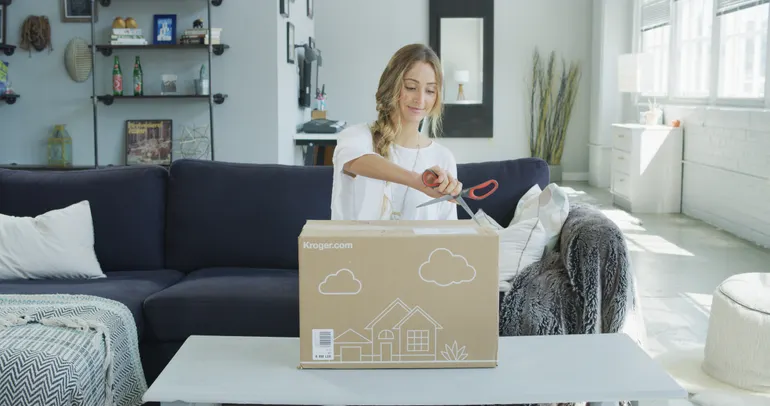
Can digital platforms meet the growing e-commerce needs of grocery consumers?
The surge in online grocery shopping is driving retailers to explore digital marketplace strategies. Kroger partnered with Mirakl to launch over 50,000 third-party products, but experts question whether marketplaces can truly deliver value. This article analyzes the opportunities and challenges of marketplaces in the grocery sector, citing insights from multiple industry figures.
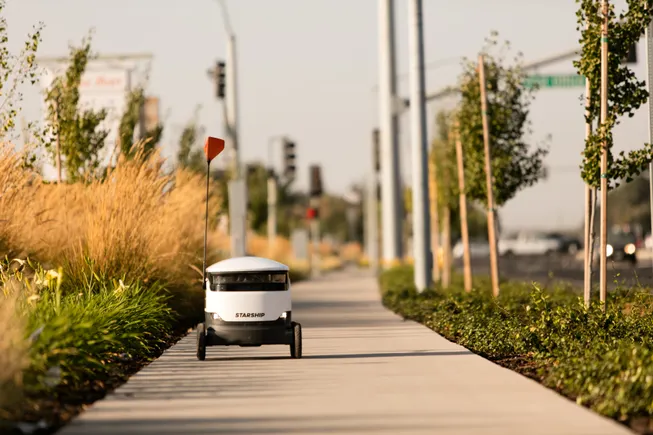
The pandemic accelerates the deployment of unmanned delivery: from 'icing on the cake' to 'fuel in the snow'
Before the pandemic, autonomous grocery delivery was an 'icing on the cake' service for most consumers. During the pandemic, demand for contactless delivery surged, making the idea of robots delivering items like milk and eggs to the curb more appealing. Companies such as Nuro and Starship Technologies say their robots are operating at full capacity and are accelerating pilots and working with regulators to streamline processes. However, scaling the technology and achieving cost-effectiveness will still take time. This article reviews the progress and challenges of four companies—Nuro, Starship Technologies, Refraction AI, and Deuce Drone—during the pandemic.
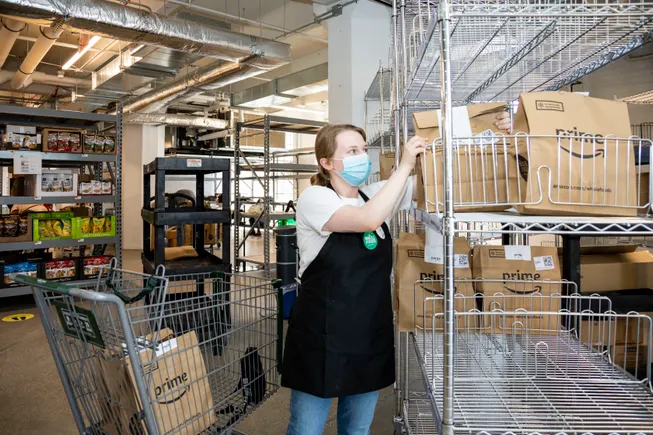
The Future of Fresh Food E-commerce: Industry Transformation and Outlook Catalyzed by the Pandemic
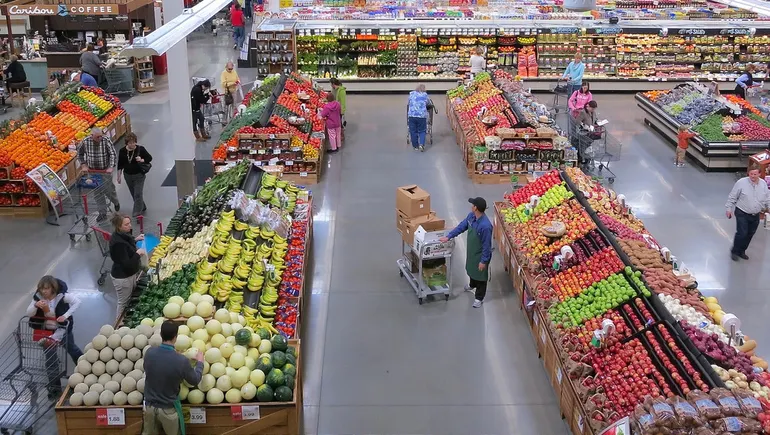
Within just a few months, online fresh food demand has far exceeded expectations, making the pandemic a watershed moment for the industry. From micro-fulfillment to pickup and delivery, retailers are reshaping their core operations. This article launches a series of observations, examining the strategies and technologies shaping the future of fresh food e-commerce.
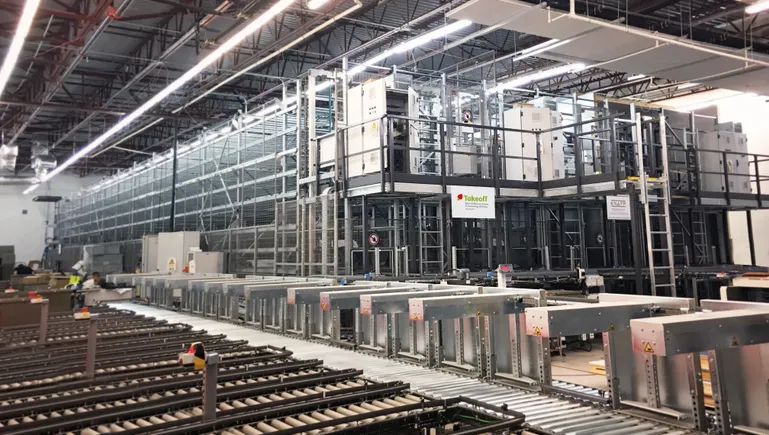
Can Micro-Fulfillment Centers Disrupt Fresh E-commerce? Experts: Not All Retailers Are Suitable
As the pandemic drives a surge in fresh e-commerce orders, micro-fulfillment centers (MFCs) have become a focus of industry attention. However, experts believe that MFCs are not a one-size-fits-all solution, and their deployment requires weighing order volume, cost, technical limitations, and demand uncertainty. This article synthesizes views from multiple industry insiders to analyze the applicable scenarios and potential risks of MFCs.
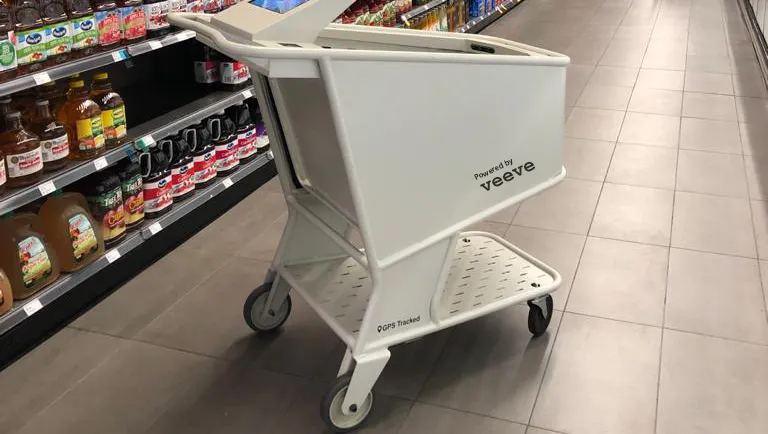
Amazon's Entry and the Pandemic Drive New Opportunities for Smart Shopping Carts
Driven by both the pandemic-induced demand for contactless checkout and Amazon's launch of the Dash Cart in physical supermarkets, smart shopping cart manufacturers report a notable rise in retailer interest. Companies such as Caper, Veeve, and Tracxpoint are advancing pilots, but high costs, theft risks, and consumer acceptance remain key tests for large-scale adoption.
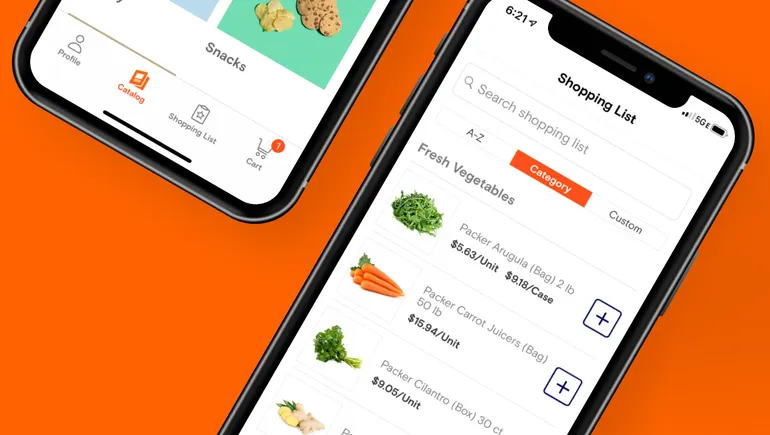
Pandemic Spurs Smart Grocery Apps: From 'New Storefront' to Omnichannel Experience
Since March, grocery app downloads have surged, with platforms like Instacart, Shipt, and Walmart growing over 100%. New demand has driven innovation in app features, from inventory forecasting and contactless delivery to recipe integration, reshaping the shopping experience. Startups like Choice Market, Farmstead, and Cheetah are accelerating their expansion, while Instacart has launched multiple new features to meet demand.
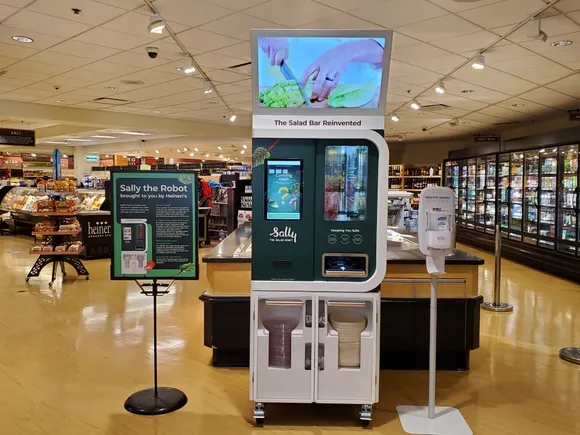
Heinen's Introduces Salad Robot Sally in Response to Self-Service Bar Closures During Pandemic
During the pandemic, after closing its self-service salad bars, Heinen's introduced Sally, a robot from Chowbotics, to provide contactless salad preparation services. Sally stands 6 feet tall, weighs 750 pounds, holds 22 ingredients, and costs $7 per salad. The company plans to test its efficiency and customer acceptance; if successful, it will be expanded to all stores and may permanently replace traditional salad bars.
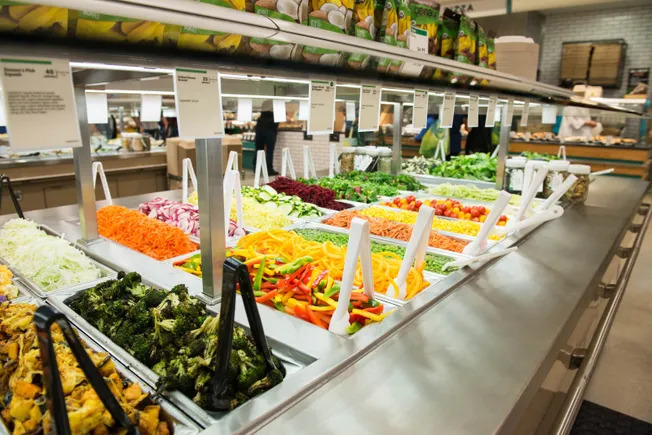
Supermarket operators reassess the future of self-service buffet counters: restart, remodel, or permanent transformation?
Under the impact of the pandemic, supermarket self-service buffet counter sales plummeted by 30%-40%. Operators are weighing restarting, remodeling, or permanent transformation, and trying alternatives such as packaged food displays and staff service, but hygiene regulations and consumer confidence remain key variables.