
Deep Dive
来自我们记者的行业洞察
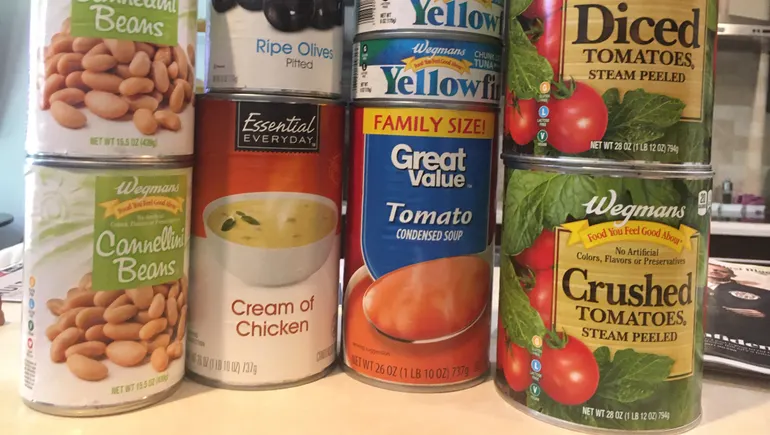
Under the pressure of economic recession, private labels are looking increasingly bright
As the pandemic has led to tens of millions of Americans losing their jobs, sales of private label foods such as macaroni, sauces, and granola have surged. Industry analysis suggests that if the recession persists, this market, which exceeds $90 billion, will become even more attractive.
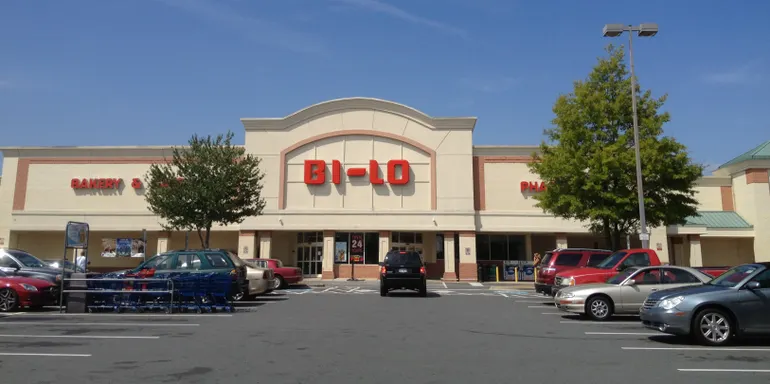
Bi-Lo store sales pave the way for Southeastern Grocers to revitalize Winn-Dixie, but can competitive pressures be resolved?
Southeastern Grocers announced the sale of 62 Bi-Lo and Harveys stores to Food Lion to concentrate resources on revitalizing Winn-Dixie. Analysts see this as an opportunity, but competition in core markets like Florida is fierce, and Southeastern Grocers must quickly address challenges from Aldi, Lidl, dollar stores, and e-commerce costs, or it may face a survival crisis.
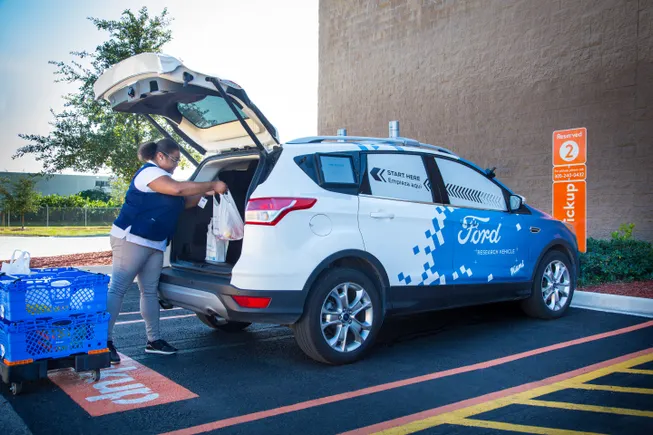
Six Strategies for Grocers Preparing for a New E-commerce Future
The pandemic accelerated the adoption of grocery e-commerce, forcing retailers to compress three-year strategies into three-month actions. Grocery Dive interviewed multiple experts, including former executives from Amazon and Target, and distilled six key strategies to help grocers achieve profitability and win customer loyalty in the rapidly evolving e-commerce landscape.
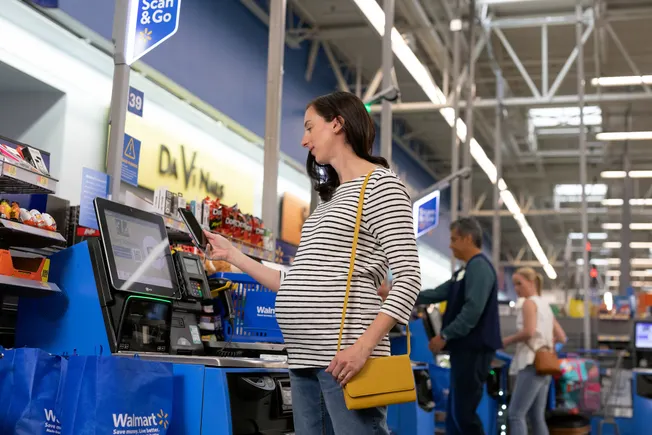
How companies provide protection services for high-risk shopping groups
Under the COVID-19 pandemic, high-risk groups defined by the U.S. Centers for Disease Control and Prevention (CDC) face shopping challenges. Multiple grocery chains and startups have introduced measures such as dedicated shopping hours, contactless delivery, and specialized ordering platforms. However, experts point out that existing systems remain incomplete, and some companies like H-E-B and Farmstead are filling gaps through innovative services.
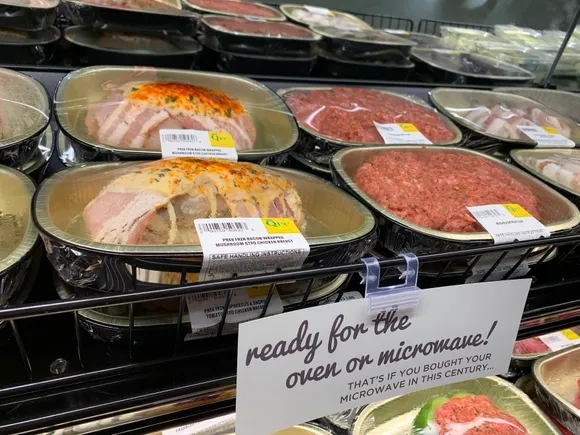
How Grocers Are Filling the Dining Gap Amid the Pandemic
With the pandemic closing restaurants and surging demand for home dining, grocers are filling the gap by expanding takeout, pickup, family meal kits, and cooking content. H-E-B partners with local restaurants, Hy-Vee offers hot food pickup and holiday meal kits, and Harmons provides convenient ingredients and recipe guidance. Industry experts believe this could reshape consumer dining habits and earn long-term loyalty.
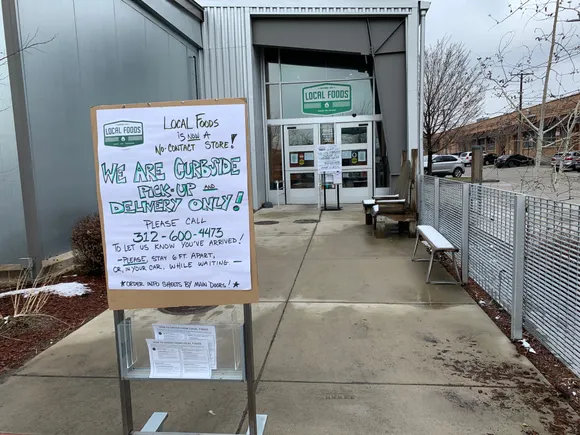
Under the pandemic, should grocery stores shift to a 'dark store' model?
Facing the safety challenges brought by the COVID-19 pandemic, some grocery stores in the United States are exploring the 'dark store' operating model, which involves closing offline retail and focusing on serving online orders. Through multiple case studies, this article analyzes the applicable conditions, implementation difficulties, and the transformation advantages of independent grocers under this model.
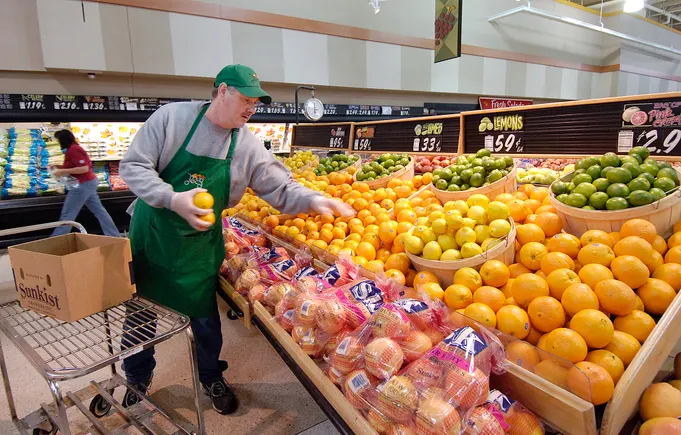
US Grocers Step Up Training and Health Protection for Frontline Workers During Pandemic
The COVID-19 pandemic has caused panic buying at US grocery stores, prompting retailers to urgently hire more staff and strengthen health protections. This article explores recruitment challenges, employee safety measures, and training strategies.
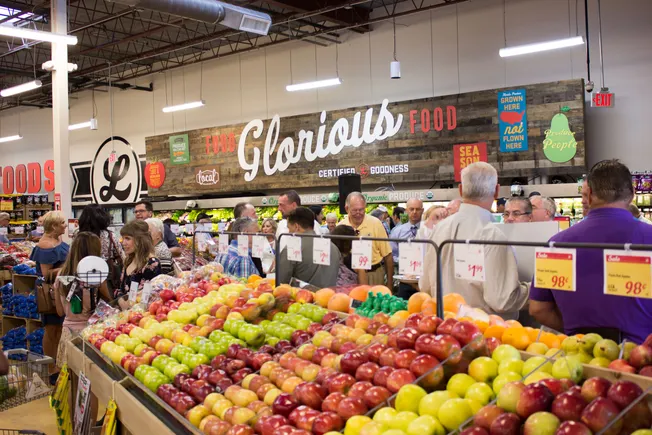
The Halo of Specialty Grocers Fades: Model Dilemma Triggers Industry Scrutiny
The successive bankruptcies of Fairway Market, Lucky's Market, and Earth Fare have called the specialty grocer model into question. Industry experts point to overexpansion, private equity involvement, and homogenized competition as main causes, while smaller regional players may prove more resilient.
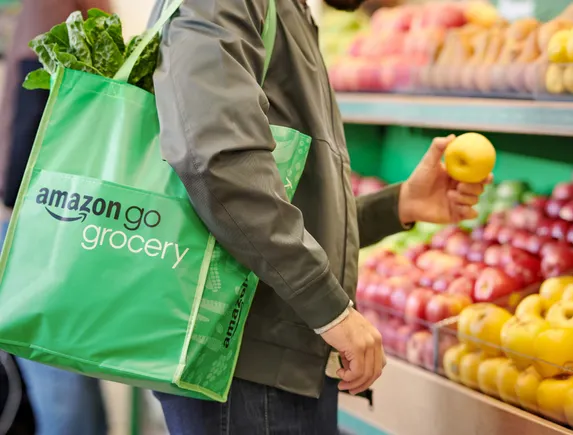
Amazon Go Grocery: A Tool to Disrupt Grocery Retail, or a Technology Testing Ground?
Amazon's first cashierless grocery store, Go Grocery, opened in Seattle, drawing industry attention. Experts acknowledge its technological strength but have doubts about its potential to become an industry disruptor, the prospects for technology licensing, and the large-scale shopping experience.
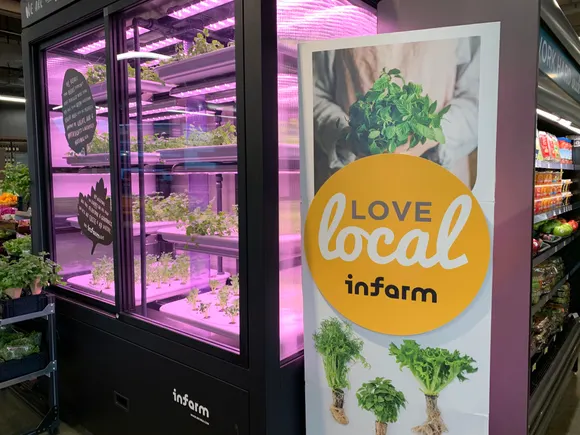
The Key to Successful In-Store Farms: Finding the Balance
To meet consumer demand for transparency in food sourcing, U.S. retailers such as Kroger and Whole Foods are beginning to introduce high-tech farms in-store. However, experts point out that operating a micro-farm is not easy, requiring a balance between production efficiency and consumer appeal. This article analyzes the practices of companies like InFarm and Smallhold, as well as Cornell professor Neil Mattson's questions about cost and scale.